Engineered for high refresh rates, absolute structural integrity, and superior luminance consistency in demanding global production environments.
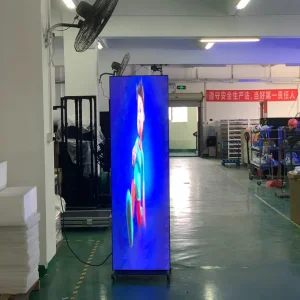
Addressing critical engineering metrics, deployment lifetimes, and total cost of ownership (TCO) parameters for enterprise buyers.
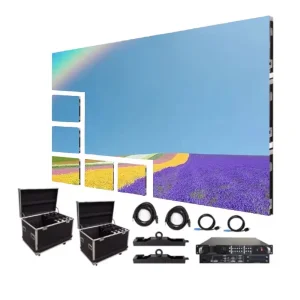
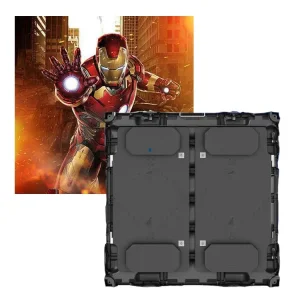
For rental operators, time is the ultimate variable. Enterprise procurement dictates the usage of high-tolerance die-cast aluminum cabinets (e.g., 960x960mm or 500x500mm standard footprints) featuring advanced fast-locking systems. This structural alignment eliminates visible seams even in massive 4K structures while preserving fast assembly capability under 10 seconds per panel.
Global architectural installations require zero color drift over extended operation. Industry compliance mandates high-tier diode binning (utilizing gold-wire Nationstar or equivalent components) and pixel-by-pixel calibration algorithms. By calibrating chroma coordinates to values within MacAdam Ellipse steps, the display maintains uniform white point matching across multi-batch modules.
Energy profiles represent a substantial portion of operating expenditure. Modern procurement specifications focus heavily on Common Cathode LED driver architectures. Standard displays waste voltage as heat; common cathode designs route dedicated supply voltages to red (2.8V) and green/blue (3.8V) diodes separately, achieving up to 30% reduction in power consumption and reducing thermal load across driver boards.
Tailored visual configurations designed to meet rigorous standards of high-traffic commercial environments, broadcast media, and sports stadiums.
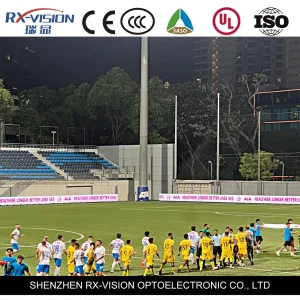
Live events demand high frame rates (up to 240 fps) and ultra-high refresh rates (>3840Hz) to prevent horizontal scanning lines under professional camera lenses. Our stage rental panels utilize top-tier driver ICs (such as MBI5264/MBI5153) paired with ultra-low latency processor systems, ensuring real-time camera tracking and HDR rendering for high-definition live feeds.
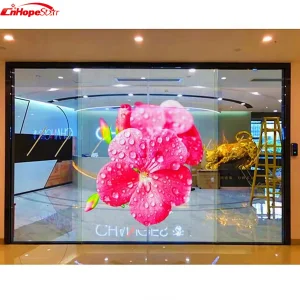
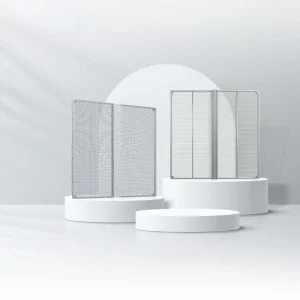
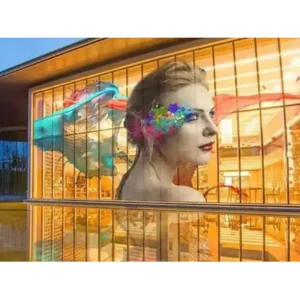
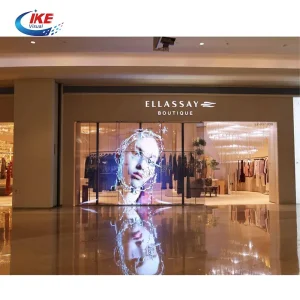
Urban visual branding requires high transparency index (>75%) to maintain natural light transmission within high-rise buildings. Standard window advertising employs custom film-based or micro-grid transparent screens that maintain structural glass aesthetics while delivering bright, high-contrast imagery visible even in direct midday sun.
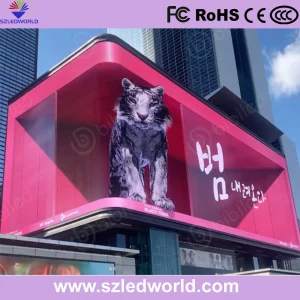
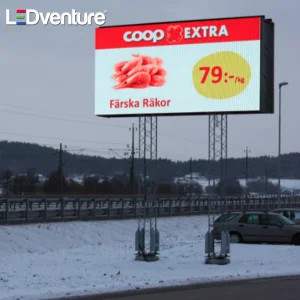
Outdoor Digital Out-of-Home (DOOH) applications face harsh environmental stresses. Fixed installation billboards are constructed with IP65/IP66 waterproof enclosures, utilizing redundant power paths and smart fan cooling systems. Integrated brightness sensors dynamically match environmental conditions, extending runtime lifetimes past 100,000 operational hours.
Established in 2003 in Xiamen, China, LYRA has spent over two decades evolving from a regional manufacturer to a global leader in high-performance LED display systems. Our expansive facility leverages fully automated surface-mount technology (SMT) production lines to secure superior batch consistency.
We pride ourselves on 100% customization capabilities. Whether you require specific encapsulation materials (COB/GOB), custom cabinet dimensions for architectural curves, or specific control system integrations (Novastar, Brompton, Colorlight), LYRA provides turn-key engineering tailored to your precise physical and electronic requirements.
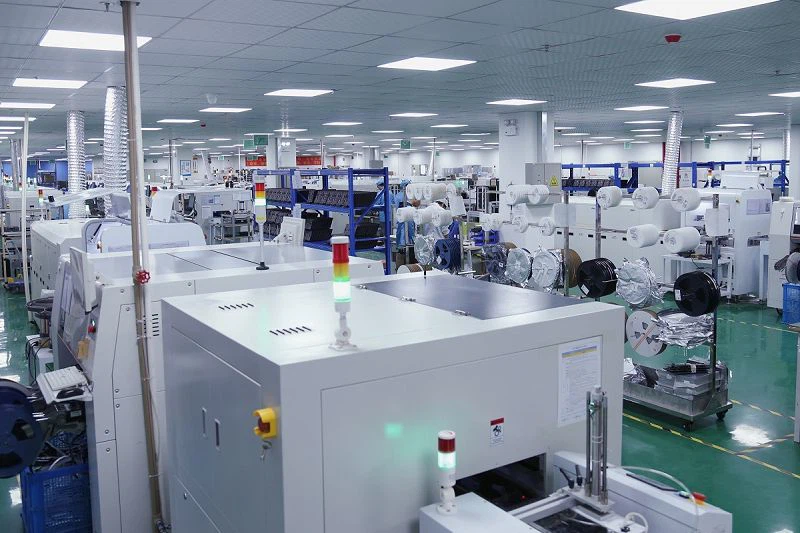
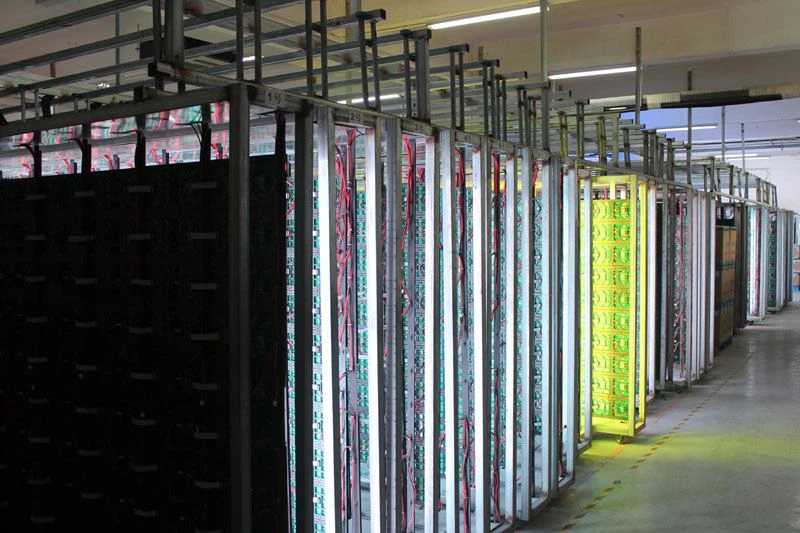
Reliability is built into our engineering lifecycle. Every cabinet outputting from our assembly lines goes through a rigid 72-hour thermal stress chamber test and vibration diagnostics to replicate active transport conditions. From choosing premium copper-bracket or gold-wire LEDs to customizing power redundancy levels, we control every parameter to optimize longevity and ensure continuous performance.
With global supply chains and deep structural certification compliance, we help worldwide system integrators deploy flawless visual installations on-time, every time.
The transition toward next-generation display architectures: COB, GOB, and MicroLED technologies.
Traditional SMD packaging mounts individual LED chips to a circuit board. COB eliminates this packaging layer, mounting the semiconductor chips directly to the substrate. This results in significantly tighter pixel pitches (down to P0.4mm), wider viewing angles, and robust physical protection against impact and moisture.
For rental environments prone to frequent transport damages, GOB represents a highly practical mechanical solution. An optical epoxy layer is applied to the front of the SMD modules. This creates a hard shield that protects the delicate LED components from moisture, dust, and handling shocks without compromising image quality.
Representing the technological horizon, MicroLED displays utilize micro-scale light-emitting diodes driven by active matrix backplanes. This enables unmatched contrast ratios, low power requirements, and extremely high luminance outputs that can match the dynamic range requirements of future HDR broadcast standards.
Ensuring certified safety, electrical engineering compliance, and localized maintenance across international borders.
LYRA displays conform to key regulatory pathways, including CE, FCC Part 15 Class A/B, RoHS, and UL electrical safety frameworks. This simplifies building control approval processes and assures compliance with local municipal safety and electromagnetic interference guidelines.
To eliminate downtime, we provide system integrators with dedicated spare parts kits containing power units, receiving cards, and 2-5% supplementary LED module assemblies. Localized logistical partners facilitate rapid replenishment paths across North America and Europe.
We provide extensive on-site or virtual training covering calibration software workflows, signal pathway optimization, electrical load balancing, and panel maintenance. This ensures local technicians can resolve calibration and hardware concerns immediately.
In-depth, technical answers to the most common questions raised by system integrators, AV engineers, and procurement managers.
Innovative form factors, transparent panels, and ultra-high resolution models designed to push visual boundaries.
 LYRA LED