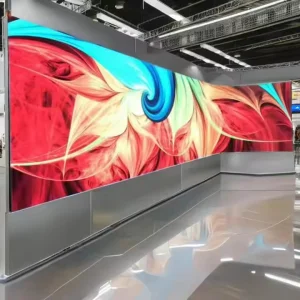
High-refresh-rate, pixel-perfect, and ultra-high-definition modules manufactured for critical visualization, mission-control, and luxury commercial applications.
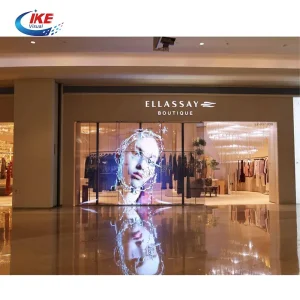
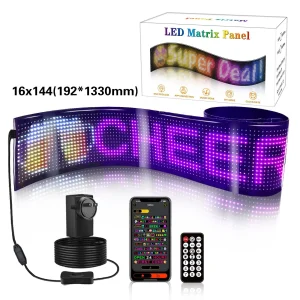
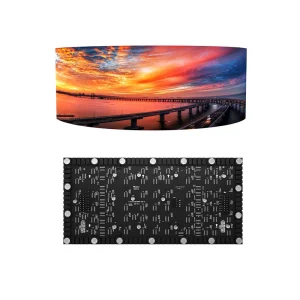
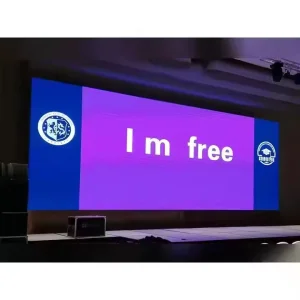
Understanding the technical migration from bezel-interrupted LCD grids to continuous active-emission LED matrices.
The global visualization market is undergoing a structural transition. Traditionally, command centers, broadcasting stations, and luxury retail storefronts relied on tiled LCD panels. While cost-effective, LCD displays are intrinsically restricted by a physical bezel—ranging from 0.88mm to 3.5mm—which disrupts visual data coherence. In high-stakes monitoring situations or immersive brand experiences, this interruption is unacceptable.
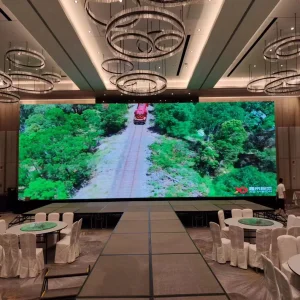
Seamless LED Video Wall technology solves this problem. Utilizing active-emission semiconductor diodes mounted directly onto modular PCB cabinets, these systems achieve true zero-bezel structural integration. Mechanical sub-millimeter latch alignments and pixel-by-pixel calibration algorithms ensure that when tiled, the final display operates as a singular, completely seamless digital canvas.
As enterprise networks globalize, the demand for high-performance displays with lower pixel pitches (such as P1.2, P1.9, and P2.5) has surged. This advancement allows for comfortable close-up viewing distances, high brightness output (nits), and deep contrast ratios that rival traditional projection and LCD systems in even the most challenging high-ambient-light settings.
A comparative analysis of modern manufacturing techniques defining performance, durability, and optical output.
The industry-standard architecture where individual Red, Green, and Blue diodes are encapsulated inside a single surface-mounted package, then soldered to the PCB. SMD offers excellent color mixing and wide viewing angles at a competitive price point, ideal for standard video walls (P2.5, P3.91).
An advanced packaging method where raw LED chips are mounted directly onto the PCB substrate and sealed with protective epoxy. COB eliminates individual package footprints, allowing for ultra-fine pixel pitches below P1.2, exceptional thermal management, and a robust, damage-resistant display surface.
A hybrid protection method that applies an optical gel coating across the surface of standard SMD modules. This layer acts as a shield against moisture, dust, impacts, and electrostatic discharge (ESD) without compromising viewing angles. Perfect for high-traffic environments and mobile rental screens.
Why sourcing directly from integrated hubs like Xiamen and Shenzhen secures substantial cost, R&D, and quality advantages.
The concentration of raw material suppliers, packaging facilities, and controller manufacturers (such as NovaStar and Colorlight) in China's southern coastal regions creates an unparalleled manufacturing ecosystem. Xiamen, a major optoelectronics industrial hub, benefits directly from this integration, enabling regional factories to source, manufacture, test, and export high-performance LED displays with minimal lead times.
By streamlining operations, Chinese OEM/ODM factories bypass intermediate markups. This ensures that global system integrators, AV distributors, and corporate procurement departments receive tier-one quality components at direct factory prices. This efficiency makes high-performance, seamless visual displays accessible for large-scale enterprise deployments globally.
Retaining the foundational trust and proven capacity of LYRA's 20-year history in the optoelectronic market.
LYRA, established in 2003 in Xiamen China, has been engaged in LED industry for more than 20 years. Our dedication to innovation and quality has made us a trusted leader in the industry.
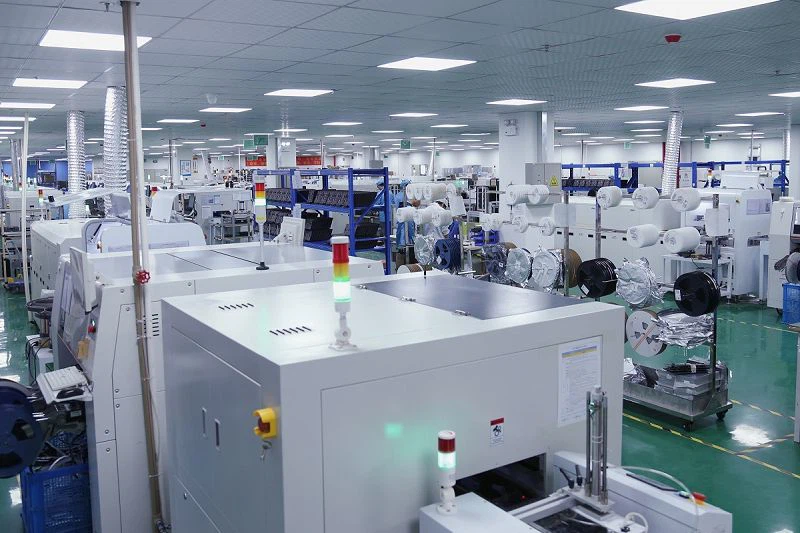
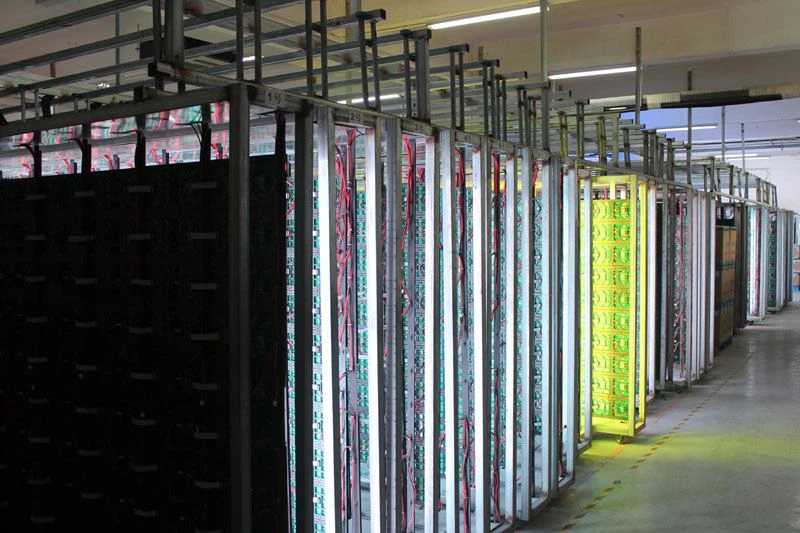
We started as a small operation, but now have become one of the leading suppliers in the LED Display industry in China.
LYRA provides comprehensive solutions and industry-leading quality. We also supports 100% customization of all kinds of displays, we can bring your ideas to life. From adjusting brightness and choosing lamp beads, to shaping it uniquely, we tailor every detail to your needs. Let's create your perfect display.
The combination of high-quality products, excellent customer service, and competitive pricing has earned us the trust and loyalty of our customers.
We believe in building strong, win-win partnerships and warmly invite you to contact us for customized solutions and to explore cooperation opportunities.
For custom display projects, off-the-shelf LED cabinets often fall short. LYRA’s OEM/ODM workflows are built to address specific, project-by-project visual needs:
Every customizable video wall manufactured at our Xiamen facilities undergoes strict testing before export:
Using high-resolution CCD cameras and pixel-level luminance calibration systems, we guarantee color and brightness uniformity across all cabinet modules. This ensures the completed video wall display delivers a single, cohesive image from edge to edge.
Modern display technologies designed to meet the demands of real-world commercial and industrial environments.
Utilizing ultra-fine pixel pitch (P1.2 to P1.9) for high-resolution security monitoring, SCADA layouts, and real-time operations where text legibility is critical.
High-contrast, color-calibrated P1.2 and transparent LED film screens designed to integrate cleanly into store windows, matching aesthetic interior layouts.
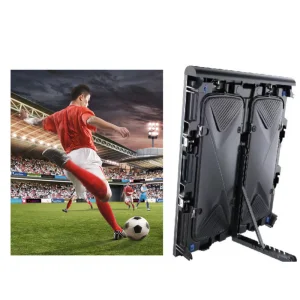
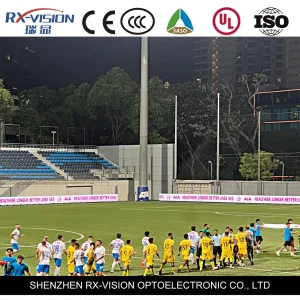
Weatherproof, shock-resistant P10 perimeter displays equipped with soft protection brackets to safeguard players from impact while delivering high-visibility sponsorship loops.
Shockproof, high-brightness displays designed specifically for truck and mobile trailers, providing sunlight-readable advertising in changing outdoor environments.
Essential parameters for technology purchasers, technical buyers, and system integrators.
| Key Evaluation Parameter | Target Enterprise Threshold | Sourcing Decision Vector |
|---|---|---|
| Refresh Rate (Hz) | ≥ 3,840 Hz (High Refresh Mode) | Eliminates scanning lines on cameras. Critical for broadcast, streaming, and XR virtual production stages. |
| Driving IC Architecture | PWM (Pulse Width Modulation) Drivers | Ensures stable low-brightness grayscale output. Keeps color reproduction accurate even in dimmed control rooms. |
| Power Configuration | Common Cathode Energy Saving | Separates power rails for Red and Green/Blue diodes, reducing heat output by 30% and extending system lifespans. |
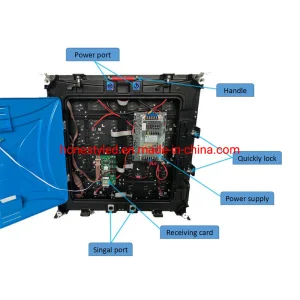
| Service Design | Full Front Access (Magnetic Modules) | Saves wall depth and structure costs. Modules, power supplies, and control cards can be serviced directly from the front. |
Key design developments and technological shifts driving the commercial display industry forward.
With pixel pitches moving below P0.9, MicroLED delivers exceptionally high contrast ratios, wider color gamuts, and lower power consumption. This positions it as the standard for next-generation boardrooms and command centers.
Driven by high-refresh-rate controllers and low-latency processing, seamless LED displays are replacing green screens in film and broadcast. These setups provide actors and production crews with real-time, in-camera visual environments.
Flexible glass transparent LED films and common-cathode electronics are driving down power requirements. This design approach helps global brands meet carbon-neutral architecture guidelines and green building standards.
Answers to common technical, logistics, and engineering questions from global procurement managers.
The ideal pixel pitch depends on your closest viewing distance. A practical guideline is the "1mm per meter" rule. For example, a P1.2 display is optimal for close-up viewing at 1.2 meters, whereas a P2.5 display performs best when viewed from 2.5 meters or more. For control rooms where operators sit close to the screens, pitches under P1.9 are recommended.
LCD screens are built on liquid crystal panels enclosed in physical protective bezels, which create lines when tiled. LED video walls are bezel-free. They consist of individual LED modules aligned on CNC-machined aluminum cabinets. During installation, technicians adjust the physical alignment at sub-millimeter scales, and software calibration matches brightness and color across modules to create a single, continuous display.
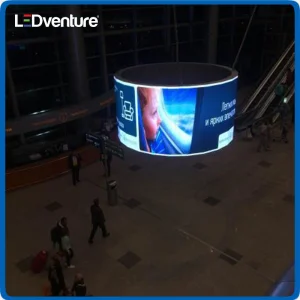
We support full customization, including custom pixel pitches, module shapes (curved, round, cylinder, or right-angle), custom cabinet chassis sizes, brightness levels up to 8000 nits, and specific diode/IC selections to meet demanding project requirements.
As an established exporter, LYRA handles shipping logistics globally, offering EXW, FOB, CIF, and DDP shipping solutions. Every system we export includes spare modules, power cards, and receiving cards. For setup, we provide layout diagrams, video guides, and real-time remote configuration support via NovaStar/Colorlight software.
High refresh rates prevent visual flickering on camera lenses. Standard 1920Hz displays are adequate for the human eye but can show scan lines on phone cameras or video feeds. A 3840Hz or higher refresh rate is essential for broadcasting, retail displays meant for social media sharing, and virtual studio applications.
Explore our diverse range of displays, including robust outdoor stadium screens, transparent window films, and customized solutions.
 LYRA LED