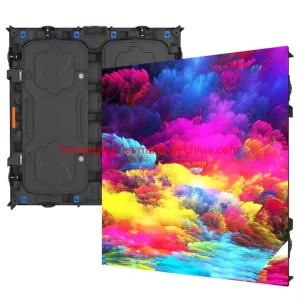
Discover our highly demand-responsive, CE-certified configurations, customized precisely for structural stability, thermal efficiency, and maximum visual density.
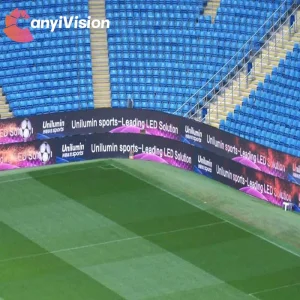
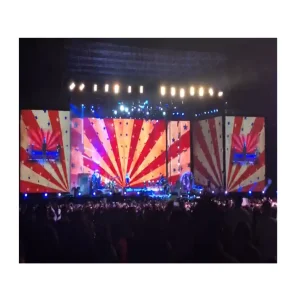
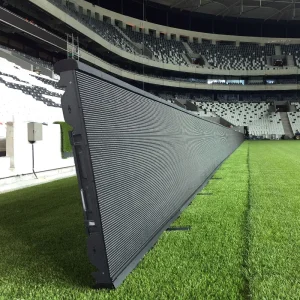
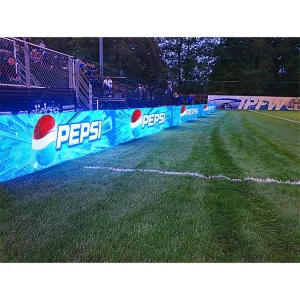
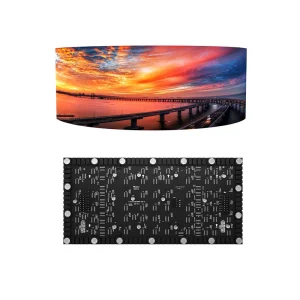
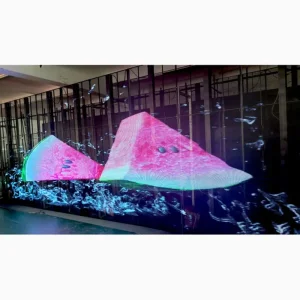
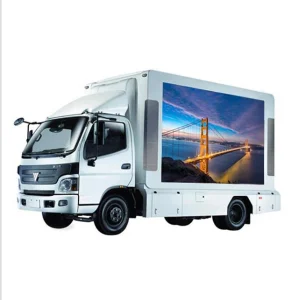
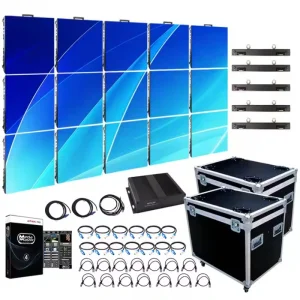
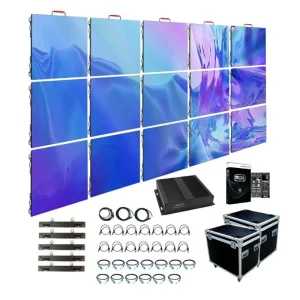
In the modern era of high-density signage, the term modular LED display represents far more than simply locking together individual cabinets. It refers to a highly calibrated system where mechanical, structural, and electrical safety criteria meet high-fidelity display requirements. Industrial modular screens rely on three critical parameters:
LYRA, established in 2003 in Xiamen, China, has been engaged in the LED industry for more than 20 years. Our dedication to innovation and quality has made us a trusted leader in the industry. What began as a small operation has grown into one of the leading suppliers in the LED display industry in China, pioneering structural modularity that withstands rugged environment tolerances.
A comparative engineering breakdown of our standard product lines designed for procurement and structural engineers.
| Performance Parameter | Indoor Modules (Fine Pitch & Standard) | Outdoor Modules (High Brightness & Sports) | Compliant Standards |
|---|---|---|---|
| Pixel Pitch Range | P0.9 - P3.91 | P2.6 - P16.0 | ISO9001 / Engineering Standard |
| Encapsulation Method | SMD Black Face / COB (Chip-on-Board) | SMD Gold-wire / DIP (Dual In-line Package) | AQL Quality Metric |
| Luminance (Nits) | 600 to 1,200 cd/m² (Adjustable) | 5,500 to 8,500 cd/m² | IEC 60529 (Brightness Test) |
| IP Protection Rating | IP30 / IP43 (Front Access) | IP65 Front / IP54 Rear (Up to IP66/IP67) | CE / EN 60529 Certification |
| Refresh Rate | ≥ 3,840 Hz (Up to 7,680 Hz Custom) | ≥ 1,920 Hz (Standard 3,840 Hz for TV) | EMC / FCC Part 15 Class A |
| Power Consumption | Avg: 180W/m², Max: 550W/m² | Avg: 260W/m², Max: 800W/m² (Common Cathode) | LVD 2014/35/EU Directive |
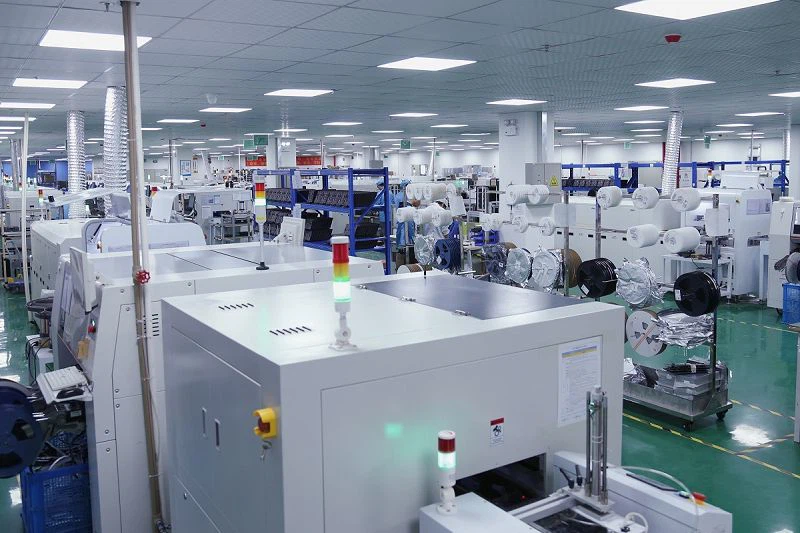
Operating from the industrial manufacturing cluster of Xiamen, China, LYRA utilizes local semiconductor supply chain integration to maintain efficiency. The concentration of component suppliers, high-capacity SMT lines, automated optical inspection (AOI) systems, and specialized reflow ovens reduces production lead times.
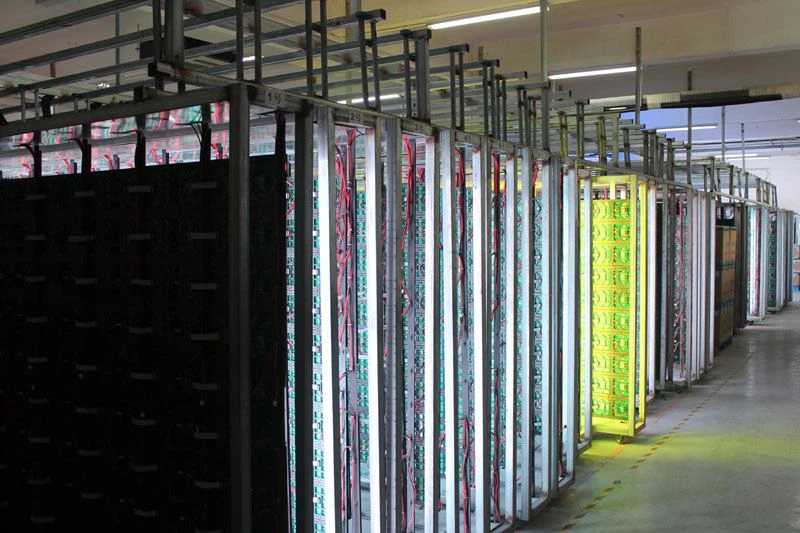
From the raw silicon wafers to the finalized die-cast aluminum frame, quality is monitored at every stage. We started as a small operation, but now have become one of the leading suppliers in the LED Display industry in China.
LYRA provides comprehensive solutions and industry-leading quality. We also support 100% customization of all kinds of displays, meaning we can bring your design requirements to life. From adjusting brightness levels and choosing specific lamp beads (Nationstar Gold/Copper Wire, Kinglight, etc.), to shaping cabinets into curved, round, or double-sided 90-degree configurations, we tailor every detail to your needs.
Why engineers and system integrators choose LYRA's CE certified modular assemblies for challenging global installations.
All cabinets and components undergo rigorous tests to satisfy 2014/35/EU (LVD) and 2014/30/EU (EMC). This prevents installation delays with local safety inspectors at public venues.
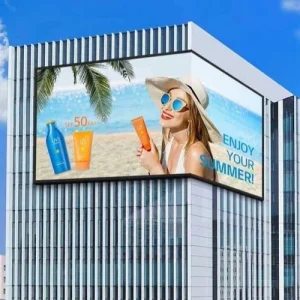
We build displays of any shape, size, or curve. Our engineers match custom module configurations (convex, concave, cylindrical, and right-angled cabinets) to challenging architectural geometries.
Using customized die-cast aluminum enclosures and power supplies, our designs maximize convection cooling. This eliminates the need for loud auxiliary fan cooling systems, extending the operational life of the screen.
How engineering choices impact long-term capital expenditure and display longevity.
Choosing the correct pixel pitch requires balancing optimal viewing distance with display cost. The standard rule is: Minimum Viewing Distance (m) = Pixel Pitch (mm) x 1. For example, a P3.91 screen provides clear images for viewers standing 4 meters or more from the display.
We offer common-cathode power design technologies that reduce heat output and energy consumption by up to 35% compared to standard common-anode screens. This technology lowers operational costs for large-scale outdoor screens.
We configure modules for front access, rear access, or dual-service access. Front-access magnetic tool designs allow modules to be swapped in under 10 seconds, reducing maintenance downtime in retail and transit applications.
High-performance screens customized to meet the strict demands of target environments.
Perimeter boards built with soft top protection masks and impact-resistant cabinet structures to safeguard athletes while providing flicker-free broadcasting for cameras.
Lightweight magnesium alloy frames featuring fast-locking connectors. Built to withstand rapid assembly, transport vibration, and demanding touring environments.
Transparent glass LED film displays and slim posters that preserve natural light and aesthetic appeal, designed to easily integrate with building facade glass panels.
Shockproof LED trailer screens configured for wider input voltage ranges. Designed to deliver high performance on mobile media trucks and promotional trailers.
Expert technical insights regarding certification, manufacturing, and global deployment of modular LED systems.
CE certification guarantees compliance with two main directives: the Low Voltage Directive (LVD 2014/35/EU) and the Electromagnetic Compatibility Directive (EMC 2014/30/EU). For modular LED installations, LVD verification ensures that system voltages do not present electric shock hazards, and that flame-retardant materials are used to reduce fire risks. EMC compliance ensures the display will not disrupt other electronic equipment, such as telecommunication or broadcast gear, and is resistant to local electrical interference.
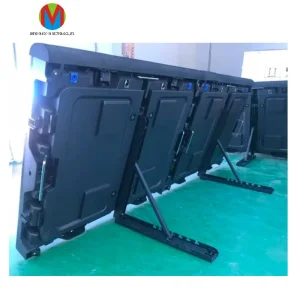
Our engineering team performs structural FEA (Finite Element Analysis) for outdoor installations. We use robust die-cast aluminum frames and coordinate with local structural engineers to design mounting brackets and support structures. This ensures compliance with local building codes, including high wind load requirements up to 40 m/s for coastal zones.
Traditional Common Anode systems supply a single voltage (typically 5V) to all red, green, and blue LED chips, wasting power as excess heat on the red chip (which requires less voltage). Common Cathode technology uses independent, dedicated power rails (e.g., 2.8V for Red, 3.8V for Green and Blue), reducing heat generation, improving thermal dissipation, and lowering power consumption by up to 35%.
SMD (Surface Mounted Device) technology mounts individual LED packages directly to the PCB board, making it cost-effective and easy to service. COB (Chip-on-Board) technology bonds the bare LED chips directly to the substrate and coats them with a protective epoxy resin. COB offers higher durability, improved contrast, and better protection against moisture, dust, and physical impact, making it ideal for ultra-fine pitch indoor screens.
We perform pixel-by-pixel brightness and chromaticity calibration in our production facility. Using high-precision spectroradiometers and imaging systems, we adjust the output value of each pixel. This ensures uniformity across the screen, preventing color variance when replacement modules are installed.
The combination of high-quality products, excellent customer service, and competitive pricing has earned us the trust and loyalty of our customers. We believe in building strong, win-win partnerships and warmly invite you to contact us for customized solutions and to explore cooperation opportunities.
Contact Our Engineering TeamExplore our range of high-refresh-rate, rugged outdoor displays, and flexible indoor video wall solutions.
 LYRA LED