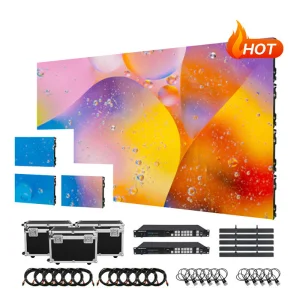
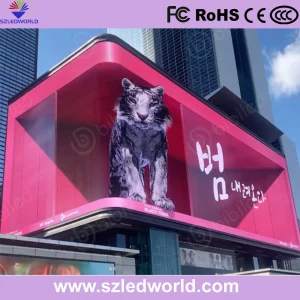
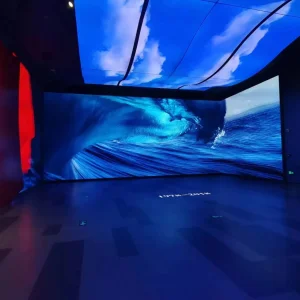
Established in 2003 in Xiamen, China, LYRA has been a driving force in the global LED industry for more than 20 years. Our journey began as a specialized, quality-focused manufacturing operation, but through relentless R&D and consistent investment in precision engineering, we have grown into one of China's premier developers and suppliers of enterprise-grade LED displays and digital scoreboards.
We believe that an LED scoreboard is not merely a digital screen; it is the vital hub of any stadium, school gym, or sports complex. It informs, engages, and elevates the spectator experience. At LYRA, we support 100% custom-tailored solutions for all kinds of displays. From selecting high-binning lamp beads and premium driver ICs to designing architectural enclosures, we adapt every technological detail to match the exact requirements of engineering firms, installers, and venue managers worldwide.
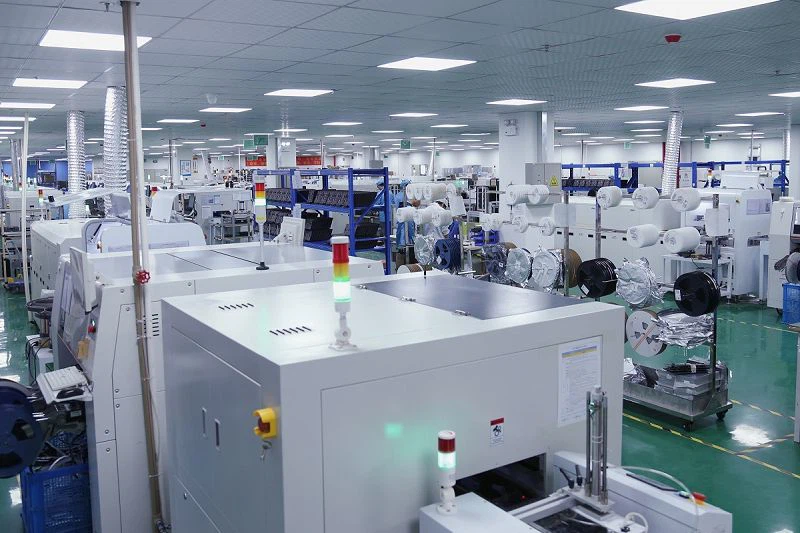
Purchasing LED displays or scoreboards for sports stadiums, arenas, or outdoor transit networks requires a deep understanding of hardware engineering and total cost of ownership (TCO). Procurement teams do not buy on price alone; they look for reliability, performance compliance, and long-term serviceability. The following criteria define the standards for enterprise-grade LED scoreboard procurement:
For televised sporting events, scoreboards must offer a minimum refresh rate of 3840Hz. Low-refresh screens create black scan lines and flickering under professional broadcast cameras, which degrades sponsor value and hurts media quality.
Scoreboards run for hours under direct sunlight. Professional displays require die-cast aluminum cabinets that dissipate heat without fans, extending the system's Mean Time Between Failures (MTBF) to over 100,000 operational hours.
Whether facing high-velocity impacts from basketballs or severe outdoor rainstorms, displays must maintain an IP65/IP66 ingress protection rating and feature rugged physical masking to protect sensitive SMD components.
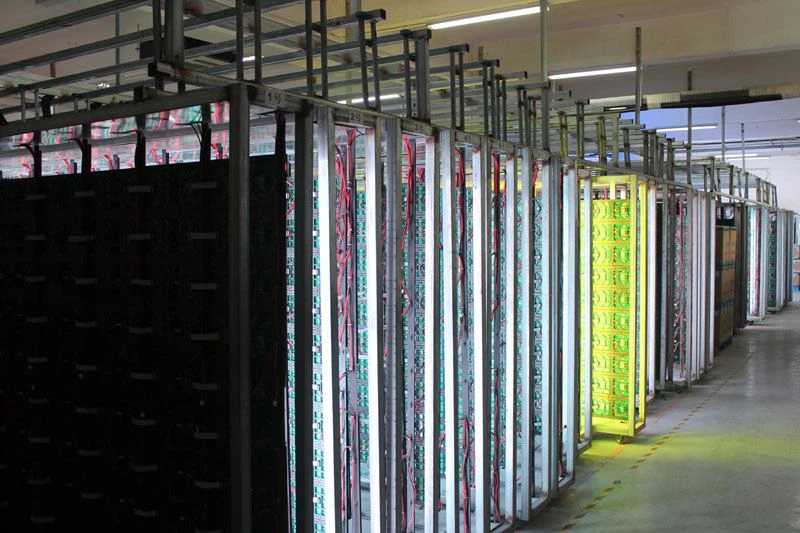
The global dominance of Chinese LED scoreboard manufacturers stems from a highly concentrated, vertical industrial supply chain. In major industrial zones like Xiamen and Shenzhen, factories sit adjacent to the world's most advanced semiconductor suppliers, chip encapsulators, and raw PCB manufacturers. This localization provides several structural advantages:
Deploying digital screens in municipal, educational, or commercial venues requires strict compliance with international standards. Scoreboards installed in school gyms and municipal sports complexes must adhere to local electrical and structural codes to protect public safety and prevent radio frequency interference.
"Procuring hardware from certified manufacturers prevents expensive compliance audits and project shutdowns. At LYRA, we prioritize global safety standards, ensuring that our products integrate seamlessly with local electrical networks and structural architectures."
LED displays generate electromagnetic fields. Proper shielding and filter networks prevent scoreboards from interfering with emergency radio channels, wireless referee communications, and scoreboard remote controls.
Using UL-certified power supplies, flame-retardant PCBs, and robust ground-fault protection minimizes the risk of fire or electrical failure, which is crucial for indoor school gymnasiums.
Our global engineering network supports front-access maintenance systems. Modules can be swapped out in under a minute without dismantling the scoreboard structure, minimizing event downtime.
The sports display sector is shifting from simple segment-based digits to rich, high-definition dynamic video walls. Venues now expect scoreboards to show live slow-motion replays, dynamic sponsor ads, and real-time social feeds alongside player statistics. Key technological trends driving this evolution include:
COB technology eliminates traditional SMD packaging, placing chips directly on the PCB. This design offers superior physical protection, impact resistance, and water resistance, making it ideal for multi-use indoor gyms.
Modern scoreboards are connected systems. Stadium administrators can monitor thermal outputs, calibrate pixel brightness, and change layouts remotely across multiple venues via centralized software.
High Dynamic Range (HDR) support ensures scoreboards deliver deep blacks, vivid colors, and high contrast. This capability is essential for rendering sponsor logos accurately under challenging stadium lighting.
No two installation environments are identical. Our engineering team designs scoreboards to match the specific structural, optical, and environmental demands of each application:
Features ultra-high refresh rates, dual power and signal backups, and deep integration with timing systems like Swiss Timing or Daktronics, meeting international broadcast standards.
Designed for multi-sport versatility (basketball, volleyball, wrestling). Focuses on impact-resistant modules, simple software interfaces, and durable enclosures.
Includes high-brightness panels (>6500 nits) with automatic ambient light sensors, IP65 waterproof housing, and marine-grade anti-corrosive hardware to handle severe weather.
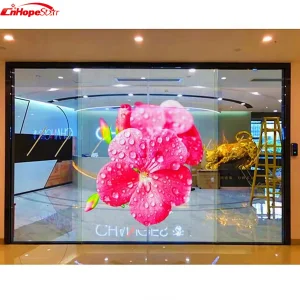
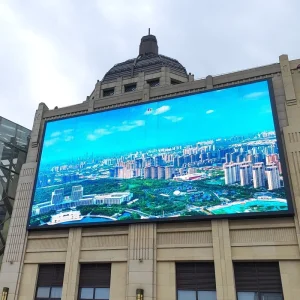

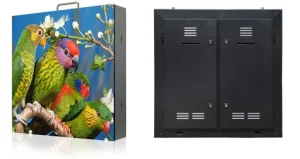
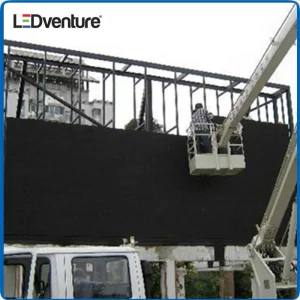
Pixel pitch choice depends on the minimum viewing distance. The general formula is: Minimum Viewing Distance (meters) ≈ Pixel Pitch (mm) x 1.2. For indoor school gymnasiums where spectators sit relatively close (within 3–8 meters), a pixel pitch between P2.5 and P4 is recommended. For large outdoor football stadiums where viewers are 30–100 meters away, pitches from P6 to P10 offer optimal clarity and high brightness while keeping costs manageable.
Outdoor scoreboards face extreme ambient light. To maintain high contrast, they must deliver a minimum brightness of 5500 to 6500 nits. Premium scoreboards utilize high-binning light-emitting diodes and high-efficiency driver ICs, allowing them to remain visible in direct sunlight. Additionally, integrating ambient light sensors dynamically balances brightness, reducing glare at night and lowering power consumption.
LYRA designs products with global regulatory compliance in mind. All displays utilize UL-listed power supplies and fire-resistant materials. For electromagnetic protection, our cabinets feature internal shielding that meets CE EMC and FCC Class A limits. This engineering prevents the display from causing electromagnetic interference (EMI) with wireless stadium networks, communication devices, or public broadcast equipment.
We support 100% customization. You can choose specific cabinet materials (extruded aluminum, die-cast, or structural steel), request custom dimensions, choose specific refresh rates, or select high-performance chip brands. We also customize pixel layouts to support multi-sport configurations, advertising ribbons, or dual-display systems.
Our displays integrate with leading control platforms like NovaStar and Colorlight. These systems connect directly to professional scoreboard controllers (such as Daktronics, Nevco, or Bodet protocols) and support input from timing systems, instant-replay hardware, and statistical software, allowing for automatic layout changes during games.
Depending on the mounting structure, scoreboards can feature front-access or rear-access service. Front-access modules utilize magnetic or tool-unlocked latching, allowing technicians to swap modules, power units, or receiving cards from the front in under 60 seconds without needing to scale the back of the scoreboard scaffolding.
 LYRA LED