Engineered for extreme performance, high ambient brightness, and enterprise-grade reliability.
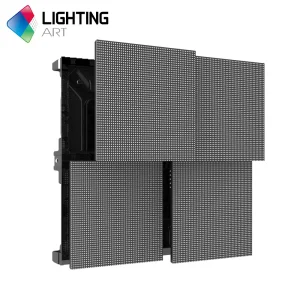
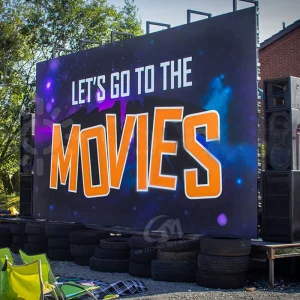
Analyzing the shift from standard digital signage to high-integration large-format direct-view LED architectures.
The global business ecosystem is transitioning rapidly toward Direct-View LED (dvLED) setups. Traditional LCD video walls and projection technologies are being outphased by giant LED configurations due to their lack of bezels, exceptional dynamic range, long MTBF (Mean Time Between Failures), and visual uniformity. As enterprises deploy immersive digital art, smart command offices, and high-impact digital out-of-home (DOOH) infrastructure, selecting the proper manufacturer has become a high-stakes capital expenditure (CAPEX) decision.
Successful display deployment requires analyzing pixel pitch equations, power supply structures, controller bandwidth, and structural design factors. This document serves as a comprehensive B2B buyer's manual, outlining technological directions, evaluating top manufacturers, and exploring custom fabrication frameworks to support procurement teams, integration consultants, and structural engineers in making informed, future-proof decisions.
Categorizing the global market landscape based on technological specialization, processing capabilities, and customization options.
Specializing in sub-1mm micro-pitches utilizing Chip-on-Board (COB) packaging. Perfect for control rooms, corporate executive boardrooms, and close-up interior displays requiring high contrast and durability.
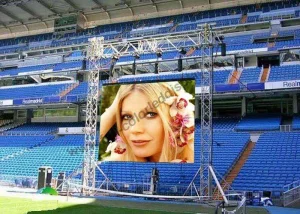
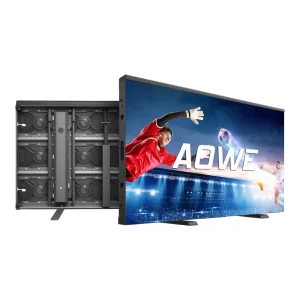
Focusing on high-refresh-rate, impact-resistant stadium perimeter boards and massive hanging center-hung scoreboards. Built to meet strict sporting body requirements (such as UEFA and FIFA).
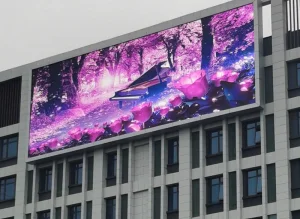
Dedicated to outdoor roadside billboards and high-exposure media facades. Capable of outputting >8,000 nits of brightness with integrated light sensors for energy-efficient auto-dimming.
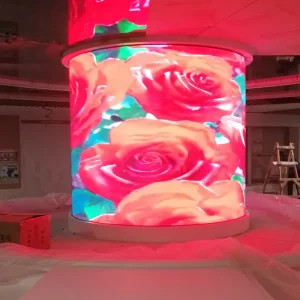
Manufacturers like LYRA, possessing deep R&D roots (established in 2003) in flexible, curved, and non-standard geometric display designs. Capable of bending modules to conform to building columns or complex curves.
Providing specialized display systems with high-end driver ICs, low latency, Brompton processing, and highly consistent viewing angles. Ideal for camera-based film production and broadcast studios.
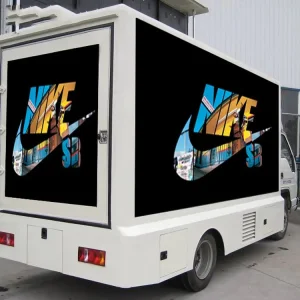
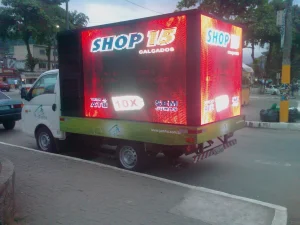
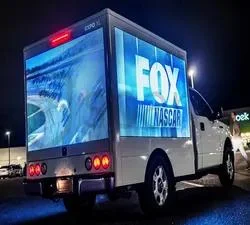
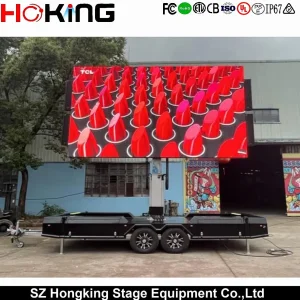
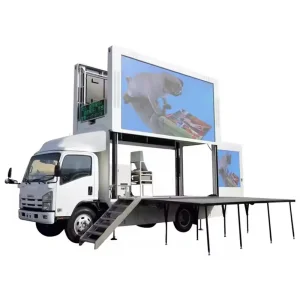
Specialists in shock-resistant, wind-load certified mobile LED systems designed for rapid deployment on trailers and promotional trucks.
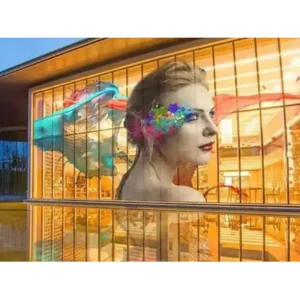
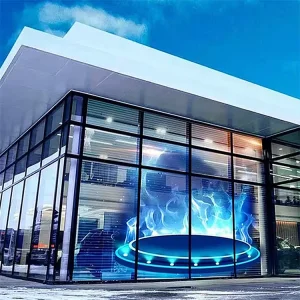
Leading the development of highly transparent mesh and glass-mounted film displays. They optimize transparency rates (up to 80%) while maintaining high brightness for window advertising.
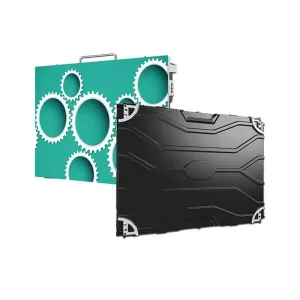
Providing modular, quick-locking, lightweight die-cast aluminum cabinets designed for rapid assembly and teardown cycles in global concert touring.
Providing all-in-one smart displays, digital banners, and interactive commercial displays with integrated CMS and cloud management capabilities.
Comprehensive partners providing system design, localized structural engineering certification, remote diagnostic systems, and preventative maintenance SLAs.
Technical metrics and integration factors to review before signing manufacturer service level agreements.
A key procurement error is over-specifying pixel pitch, which increases costs without improving the visual experience. The standard industry guideline is: Optimal Viewing Distance (meters) ≈ Pixel Pitch (mm) × 1.0 to 1.5. For example, a P2.5 display is optimized for audiences standing 2.5 to 3.75 meters away, whereas a roadside billboard (P10) is designed for viewing distances of 10 meters and beyond.
Giant displays generate significant heat, which can lead to diode degradation and color shifting. Enterprise systems should utilize Common Cathode technology, which powers the Red, Green, and Blue LED chips individually at optimized voltages. This reduction in power waste can lower overall heat output and energy consumption by up to 30-40% compared to standard common anode designs.
Seamless flatness across hundreds of cabinet interfaces requires high-precision cabinet engineering. Die-cast aluminum alloy frames are preferred over sheet metal because of their tighter tolerances (<0.1mm deviation), lower weight, and structural stability under changing temperatures. Front-access maintenance designs are critical for installations where rear clearance is restricted.
To display gradient transitions smoothly without color banding, displays need high grayscale depth (at least 14-bit, preferably 16-bit) and refresh rates of 3840Hz or higher. Lower refresh rates can cause flickering on camera lenses, which is a major issue for retail, broadcast, and virtual production environments.
Analyzing the shift from traditional SMD to next-generation COB and MicroLED structures.
SMD technology remains a cost-effective and reliable solution for pixel pitches down to P1.2. Individual RGB packages are soldered directly to the PCB surface. While easy to repair, SMD diodes are susceptible to physical impact and moisture penetration in high-traffic or damp areas.
COB technology mounts the raw silicon LED chips directly onto the substrate and seals them with a protective epoxy resin coating. By removing the lead wire frame, COB significantly reduces pixel failure rates, expands viewing angles to near 170°, and improves overall contrast levels.
MicroLED represents the next step in display technology, utilizing sub-100μm self-emissive diodes for high brightness and efficiency. Additionally, MIP (Micro LED in Package) technology offers a cost-effective bridge, allowing individual MicroLED packages to be tested and repaired on standard SMT lines.
LYRA, established in 2003 in Xiamen China, has been engaged in the LED industry for more than 20 years. Our dedication to innovation and quality has made us a trusted leader in the industry.
We started as a small operation, but now have become one of the leading suppliers in the LED Display industry in China. LYRA provides comprehensive solutions and industry-leading quality. We also support 100% customization of all kinds of displays, allowing us to bring your ideas to life. From adjusting brightness levels and choosing specific lamp beads, to shaping the screen uniquely, we tailor every detail to your needs. Let's create your perfect display.
The combination of high-quality products, excellent customer service, and competitive pricing has earned us the trust and loyalty of our customers. We believe in building strong, win-win partnerships and warmly invite you to contact us for customized solutions and to explore cooperation opportunities.
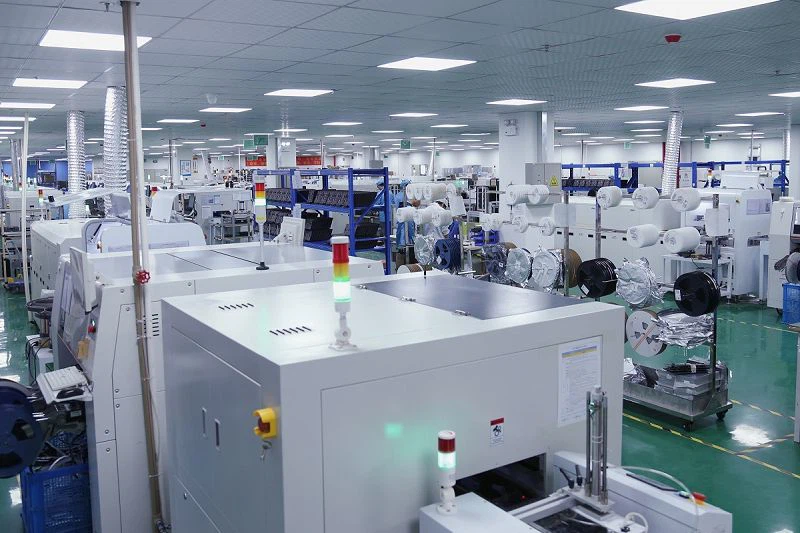
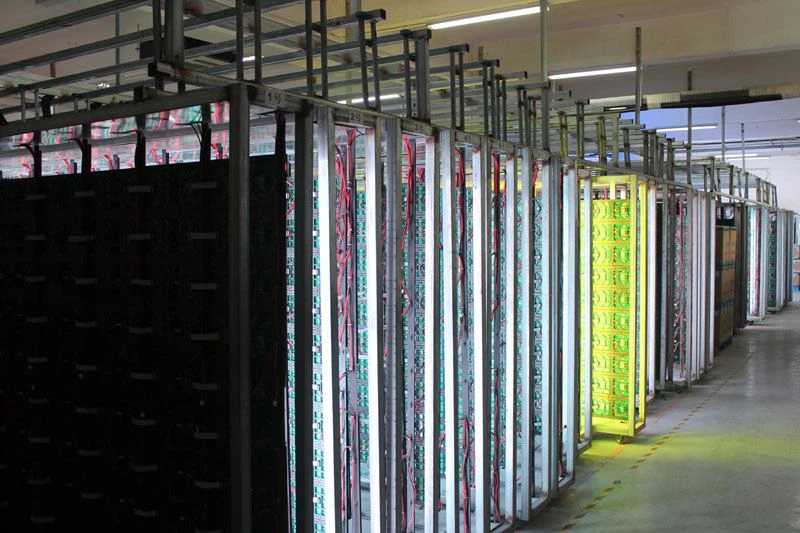
LYRA's engineering team provides a structured custom manufacturing process. From your initial idea to physical installation, we guide you through each stage:
Ensuring installations comply with local building, environmental, and electrical codes.
Commercial screen systems must meet strict electrical safety guidelines. North American installations generally require UL 48 or UL 60950 certifications to satisfy local electrical inspectors. European installations require corresponding CE-LVD compliance marking.
Large displays can generate high levels of electromagnetic interference. Choosing Class A (industrial) or Class B (residential/commercial) certified components under FCC (US) or EMC (EU) standards helps prevent interference with local communication networks.
Outdoor LED systems function as large, solid sails. Engineering plans must include structural calculations detailing wind-load resistance, steel frame supports, and foundation specifications. This data is critical for obtaining municipal permits.
Practical answers to common technical, design, and integration questions for commercial displays.
Flexible, curved, stadium-grade, and mobile solutions for custom display installations.
 LYRA LED