The intersection of optoelectronics, naked-eye spatial algorithms, and digital out-of-home (DOOH) marketing has catalyzed a transformative shift. High-end display installations are transitioning from flat message delivery systems to massive structural components of modern smart-city architecture.
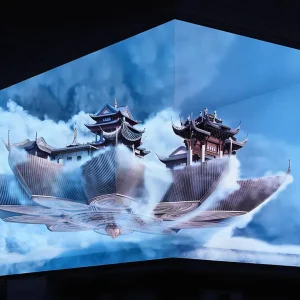
Commercial hubs worldwide are actively replacing standard video walls with L-shaped, curved, or multi-faceted 3D structures. By leveraging binocular parallax and custom anamorphic content, these systems render high-impact 3D depth sensations without requiring specialized stereoscopic viewing glasses.
Industrial studies indicate that spatial 3D displays command a retention rate over 4.5 times higher than traditional dynamic media. The localized impact converts dynamic outdoor installations into architectural landmarks, dramatically escalating advertising yield rates for property managers.
The modern 3D display panel is no longer an isolated player. Through IoT controller arrays, smart sensors, and automated brightness adjustment capabilities, these displays respond to environmental changes, weather conditions, and regional foot traffic to deliver optimized visuals.
Understanding the raw engineering behind naked-eye 3D projection is vital for strategic sourcing. High-quality visual illusions require specialized chip architectures, custom cabinet geometry, and premium optical performance.
Surface Mounted Device (SMD) arrays remain the standard for high-brightness outdoor boards due to heat dissipation stability. Concurrently, Chip-on-Board (COB) technology is taking over indoor environments, protecting micro-LED chips under a unified resin seal, enhancing reliability, black levels, and optical consistency.
Standard 90-degree screen joints disrupt the 3D optical illusion by creating a visible dark seam. Advanced 3D displays utilize curved soft modules or precise 45-degree mitered cabinets that join seamlessly. This produces a curved transition curve, allowing visuals to flow without breaking spatial depth.
Naked-eye 3D requires high-definition rendering. Standard driver ICs produce flicker on smartphone cameras. Opting for high-frequency drive electronics (up to 7680Hz) prevents visual distortions, maintaining image stability and solidifying colors under all recording circumstances.
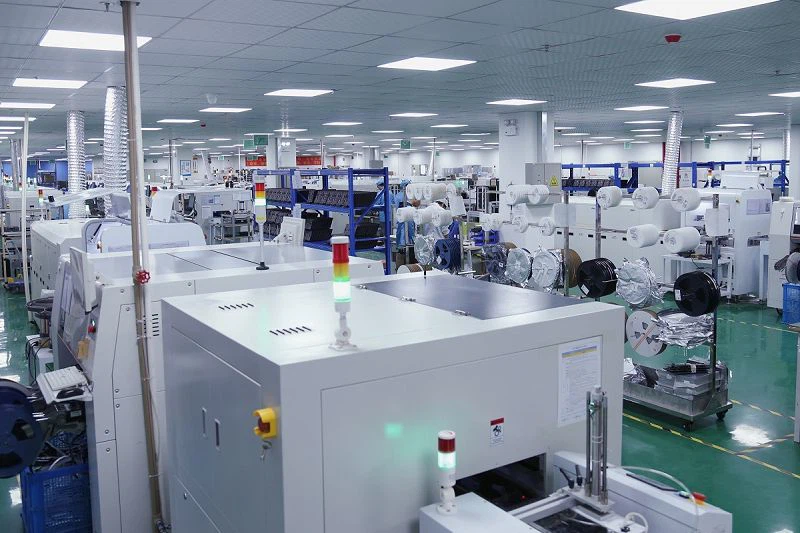
Established in 2003 in Xiamen, China, LYRA has dedicated over 20 years to developing premium optoelectronics and custom display panels. We started as a focused local operation and have since expanded into a globally recognized supplier of high-resolution video systems.
We provide comprehensive engineering solutions and industry-leading quality control. Supporting 100% custom projects, LYRA works closely with clients to customize pixel density, shape configurations, panel brightness levels, and mechanical cabinets. We tailormake systems to match your architectural requirements, turning creative visual concepts into reality.
Quality materials, precise engineering, and professional client services have built long-term partnerships worldwide.
Sourcing high-performance displays requires evaluating key hardware parameters that directly affect screen reliability, lifespans, and image quality.
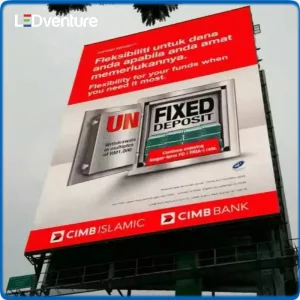
Outdoor 3D screens face direct sunlight and must deliver high brightness levels exceeding 5500 to 7500 nits. High contrast ratios (using matte black-body LEDs) are crucial to display deep shadows, which are necessary to create convincing 3D spatial illusions.
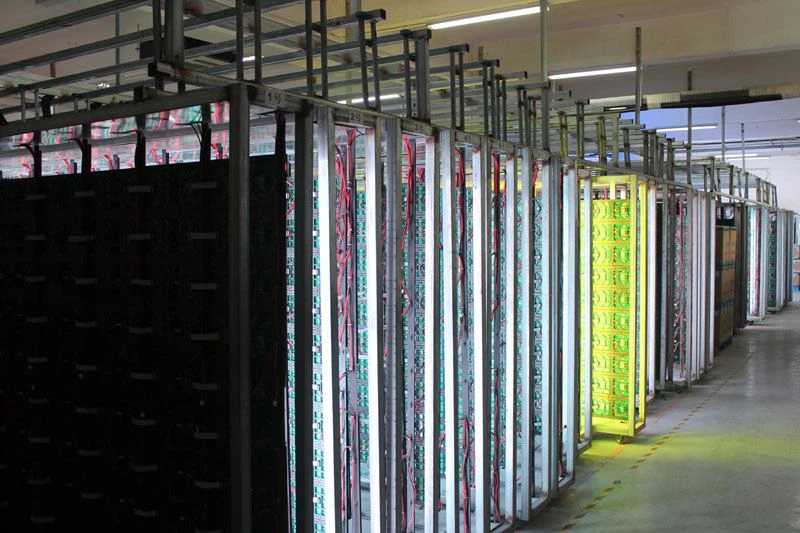
Continuous operation creates significant heat, which can accelerate LED degradation. Selecting cabinets with dual-ventilation designs, die-cast aluminum frame constructions, and dedicated power supply cooling systems ensures structural stability and consistent color performance over time.
Outdoor applications demand a minimum rating of IP65 (front and back). Sourcing modular designs with sealed silicone gaskets and conformal-coated receiver cards safeguards sensitive electronics from rain, humidity, dust, and corrosive environments.
Naked-eye 3D display networks are highly adaptable, serving a wide variety of business scenarios, events, and venues.
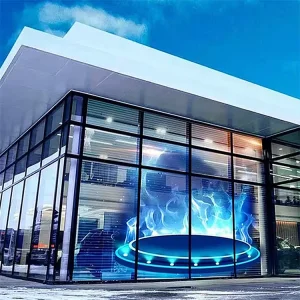
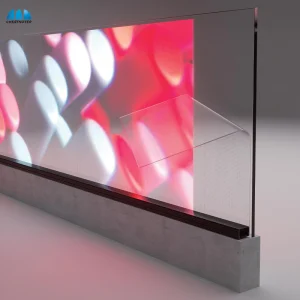
For high-end retail facades and shopping malls. Incorporating custom P5/P8 outdoor corner modules or transparent glass film installations allows store windows to display interactive 3D media, engaging shoppers without blocking natural light.
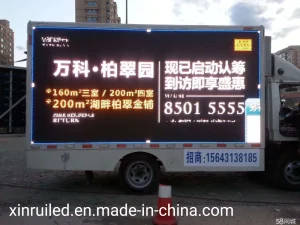
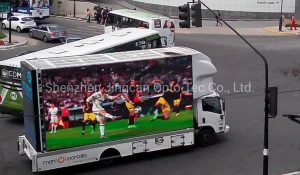
Engineered for roadshows, promotional campaigns, and community events. Utilizing vehicle-mounted P4/P5 shockproof displays enables mobile marketing platforms to deliver high-resolution 3D content directly to regional target markets.
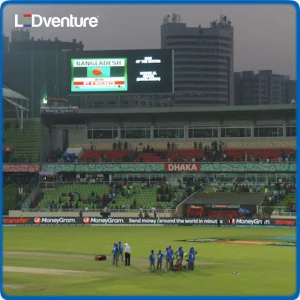
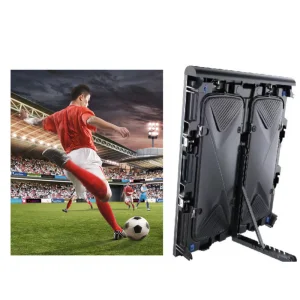
Custom perimeter displays designed for arenas and track environments. These setups combine soft rubber top bumpers, impact-resistant masks, and high refresh rates to protect athletes from impact while ensuring clear broadcasts on television.
Glasses-free 3D displays leverage binocular parallax, displaying two slightly different, offset perspectives of the same image to the viewer's eyes. By utilizing curved screen layouts (like a seamless 90-degree corner) and specific content mapping, the brain interprets these perspectives as an image with physical depth, creating a realistic three-dimensional visual effect.
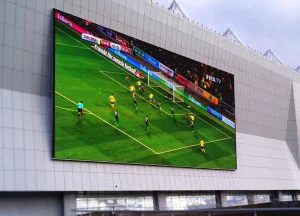
Optimal pixel pitch depends on viewing distance. For close-up indoor displays, pitches like P1.2, P1.5, or P1.9 are ideal. For larger outdoor installations, pitches like P2.5, P4, P5, or P8 balance cost and image resolution, delivering crisp, high-impact visuals from typical viewing distances.
LYRA supports 100% customization. We adjust brightness levels, source specific premium lamp beads, build custom curved cabinets, and create unique structural configurations. This ensures your final display fits your architectural environment and meets your specific project needs.
High refresh rates ensure fluid animations and eliminate flickering on camera sensors. For 3D screens, high refresh rates prevent screen scanning lines, ghosting, and visual distortions, keeping the 3D effect stable and clear during photography or television broadcasting.
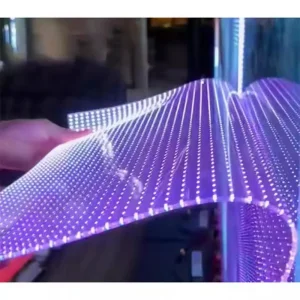
Transparent LED displays mount ultra-fine light-emitting diodes on high-transparency substrate panels. This allows daylight to pass through the glass window, maintaining natural light inside while showcasing vibrant, high-brightness 3D advertising on the outside.
We use high-grade IP65/IP66 components, apply protective coatings to internal receiver cards, and run rigorous thermal aging and high-pressure water tests. This engineering process ensures our systems operate reliably in challenging climates, high humidity, and extreme temperatures.
 LYRA LED