Why Fine Pixel Pitch Matters for Indoor Screens in 2026?
In 2026, indoor LED screens are moving closer to viewers. They now appear in boardrooms, retail stores, museums, control rooms, and broadcast studios. At three metres, a coarse pixel pitch can reveal visible gaps, jagged text, and uneven skin tones. Fine-pitch technology reduces these distractions and creates a more natural viewing surface.
Industry data supports this shift. Grand View Research values the global LED display market at approximately USD 7.1 billion in 2023. Its report also forecasts continued growth through 2030, driven by commercial and indoor applications. Omdia’s 2024 LED Video Displays Market Tracker identifies fine-pitch LED as a significant development area. These reports show demand. They do not prove that the smallest pitch always delivers the best result.
Display technology consultant Steve Scarbrough offers a useful principle: “Pixel pitch is a viewing-distance decision before it is a product decision.” That advice remains practical. A 1.2-millimetre display may look excellent in a premium showroom, but it can be unnecessary in a large hall viewed from eight metres away. A 2.5-millimetre screen may provide sharper value there.
The real question is why fine pixel pitch matters for indoor screens. It matters because viewers notice small flaws during close interaction. Text must remain crisp. Camera images must avoid moiré. Brightness must stay comfortable, not aggressive. Installation teams must also consider processing, calibration, heat, and maintenance.
Smaller is not automatically better. Power, budget, and content type still matter. Good design begins with evidence, not fashionable specifications.
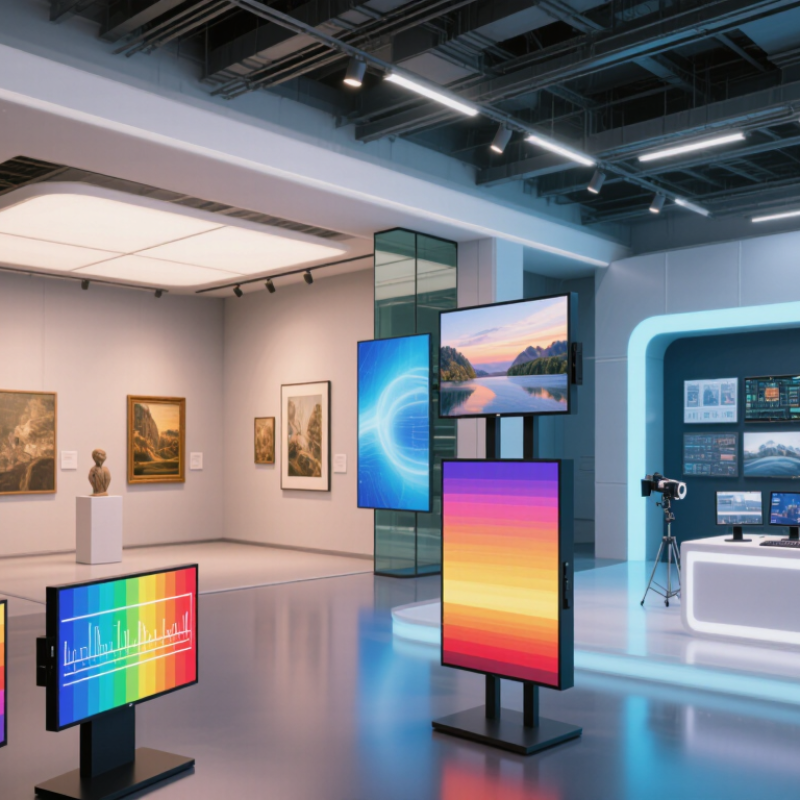
Fine pixel pitch describes the distance between two neighboring LED pixels. A 1.2 mm pitch places pixels closer than a 2.5 mm pitch. This creates sharper images, especially when viewers stand nearby. It also reduces visible pixel structure on text, skin tones, and detailed graphics.
Viewing distance matters more than a smaller number. At three meters, a 1.2 mm pitch produces about 2.5 times more pixels per metre than a 3 mm pitch. Human visual acuity is commonly estimated at one arcminute, so pixel pitch should match the room’s sightlines. In practice, a meeting room may need finer detail than a large auditorium. The wrong choice wastes budget. Sometimes, it does.
The 2024 AVIXA IOTA report estimated the global professional audiovisual industry at more than 300 billion dollars, showing strong demand for commercial visual systems. LEDinside’s recent market analysis also identifies fine-pitch displays as an important indoor LED growth area. These reports support the trend, but they do not replace a site survey. Brightness, viewing distance, camera use, and content type still influence performance.
Tips: Measure the closest seating position first. Test real content, not only colorful demo footage. Check small fonts, faces, and dark scenes. Leave space for calibration and maintenance. A slightly larger pitch can be wiser when viewers sit farther away. Fine is not automatically better.
Pixel pitch directly shapes image sharpness and comfortable viewing distance. It measures the space between two LED pixels, in millimeters. A smaller pitch packs more pixels into the same screen area. Fine pixel pitch matters most when viewers stand close, such as in meeting rooms, galleries, and retail spaces.
The common industry estimate, “viewing distance in meters equals pixel pitch in millimeters,” remains useful for quick planning. It is not a law. A 0.9 mm screen can look smoother at close range, but poor calibration can still create banding, uneven brightness, or distracting color shifts. The 2024 TrendForce LED display market analysis reports continued adoption of fine-pitch products in corporate and control-room applications, where viewers often inspect detailed content. In practice, I would test real slides, faces, and small captions at the intended distance. Numbers help. Eyes decide.
In 2026, fine pixel pitch matters for indoor applications because viewers often stand close to the screen. A tighter pitch creates smoother images and cleaner text. It also reduces visible pixel structure during meetings, retail displays, exhibitions, and control-room work. From practical installation experience, viewing distance should guide the specification. Choosing the smallest pitch available can waste money when viewers remain far away.
Fine-pitch displays support detailed product images, small data panels, and high-resolution video walls. They can also perform better with professional cameras, which may reveal scanning lines or moiré patterns. However, image quality depends on more than pixel spacing. Refresh performance, grayscale control, calibration, cabinet alignment, and stable processing all matter. A sharp panel with poor calibration still looks uneven.
There is a limitation worth admitting. Fine pixel pitch does not automatically create a better indoor experience. Smaller pixels can increase purchase costs, maintenance demands, and sensitivity to installation errors. Technicians must inspect seams under real lighting, not only in a showroom. Reflections from glass, ceiling lamps, and polished floors may remain distracting. Content teams also need suitable source material. Ultra-fine detail cannot repair a blurry video. Careful testing at the actual viewing distance remains essential.
Smaller pixel pitch increases pixel density, helping indoor LED screens display sharper text, detailed graphics, and close-view content.
The chart shows the calculated pixel density for common indoor pixel pitches. Pixel density is calculated as (1000 ÷ pixel pitch in millimeters)², representing the theoretical number of pixels per square meter. A 1.2 mm pitch provides approximately 694,444 pixels per square meter, while a 3.0 mm pitch provides approximately 111,111 pixels per square meter.
Pixel pitch defines the distance between LED pixels and strongly affects image sharpness. Smaller pitches create smoother text, cleaner faces, and more natural detail at close viewing distances. Distance changes everything. A 1.2 mm screen may suit a control room viewed from two metres, while a 2.5 mm option could perform well in a hotel lobby. Choosing the smallest available pitch is not always practical. It can increase cost, power use, and maintenance complexity.
Consider the audience’s nearest viewing position, screen size, content type, and camera usage. Fine text and presentation graphics need tighter spacing than simple promotional video. For broadcast or video meetings, pixel structure can interact with camera shutters and create visible patterns. Brightness also matters, but excessive brightness may cause eye fatigue in darker rooms. Ask for real samples under the intended lighting. A showroom can hide weaknesses.
Tips: Measure the closest seat before ordering. Display your smallest text and skin-tone footage on a sample panel. Check viewing angles from both sides. Confirm refresh performance with a camera. Leave room in the budget for installation, calibration, and future service. I have seen teams focus heavily on pixel pitch and overlook processing quality. That decision can weaken an otherwise excellent display. Test before ordering.
Fine pixel pitch will matter more for indoor screens in 2026 as spaces become more detailed and visually demanding. A 1.2-millimeter pitch can keep text sharp at a few meters, where larger pixels may reveal visible texture. Distance still matters. Choosing the smallest pitch is not always the smartest decision. It can increase cost, power use, and maintenance pressure without improving a distant viewer’s experience.
Future development will focus on efficiency, reliability, and intelligent control. MicroLED-inspired structures, improved surface protection, and advanced packaging may support brighter images with lower heat output. Real-time calibration will also become more practical. Cameras and sensors could detect brightness shifts, color drift, or failing modules before audiences notice them. This prediction is promising, but calibration systems still require careful testing and trained operators.
Indoor displays may become more modular and easier to repair. Replacing one cabinet instead of removing an entire wall could reduce downtime and electronic waste. Higher refresh rates, stronger contrast, and better low-light performance will support control rooms, retail environments, museums, and virtual production studios. Content adaptation will become important too. A screen should not simply show more pixels; it should present readable images under real lighting, viewing angles, and operating schedules. That assumption is risky. Fine pitch alone cannot fix poor design, weak installation, or badly prepared content.
It means neighboring LED pixels sit close together. A 1.2 mm pitch looks sharper than a 2.5 mm pitch nearby.
Closer viewers can notice pixel structure, especially around small text, faces, and diagonal lines. Distance changes the better choice.
No. A smaller pitch costs more and may add little value in a large room. Fine is not automatically better.
A fine pitch often works well when viewers sit close. Measure the nearest chair, not only the room’s average distance.
A simple guide matches viewing distance in meters with pitch in millimeters. Treat it as a starting point, not a rule.
Test real slides, small captions, faces, and dark scenes. Colorful demo footage can hide practical problems.
Yes. Weak calibration may cause banding, uneven brightness, or color shifts. Smaller pixels cannot fix every image problem.
Consider seating distance, brightness, camera use, content type, and maintenance access. Leave room for calibration work.
Smaller pixels pack more image points into the same area. Text and skin tones usually appear smoother at close range.
Choosing from specifications alone. Numbers help, but real eyes in the actual room may disagree.
Fine pixel pitch refers to the small distance between individual LED pixels, allowing indoor screens to display sharper images, smoother text, and more detailed visuals. The closer viewers are to a screen, the more important pixel pitch becomes, because a tighter pixel arrangement reduces visible gaps and improves viewing comfort. Understanding the relationship between pixel pitch, screen size, viewing distance, brightness, and content type is essential for creating a clear and immersive display.
In 2026, why fine pixel pitch matters for indoor screens is closely connected to the growing demand for high-resolution presentations, retail experiences, control rooms, meeting spaces, and entertainment environments. Choosing the right pitch requires balancing image quality, installation conditions, maintenance needs, energy use, and budget. As display technology develops, finer pixels, improved efficiency, better processing, and more flexible designs are expected to make indoor LED screens increasingly detailed, practical, and adaptable for modern visual communication.

LYRA LED