What is Transparent LED Technology and How Does it Work?

Time:2026-05-28 Author:Isabella
0%

Transparent LED technology is revolutionizing the display and advertising industries. This innovative solution allows for high-definition images to be projected onto glass surfaces. According to a recent market analysis by IDTechEx, the transparent display market is projected to exceed $1 billion by 2028. This growth is driven by applications in retail, architecture, and transportation.

Dr. Lisa Chang, a leading expert in display technology, defines it succinctly: "What is transparent LED technology? It merges visibility with digital information, altering how we perceive advertising." Retail spaces are increasingly adopting this technology for its ability to engage customers without obstructing views. For instance, a transparent LED display can showcase promotions while still allowing natural light to flood in.

Yet, challenges persist. Not every viewer perceives transparent displays equally. Some may find the image clarity under certain lighting conditions lacking. Ongoing refinements in pixel density and brightness are essential for enhancing viewer experience. Thus, while the potential is vast, continuous improvement is crucial for broad adoption.
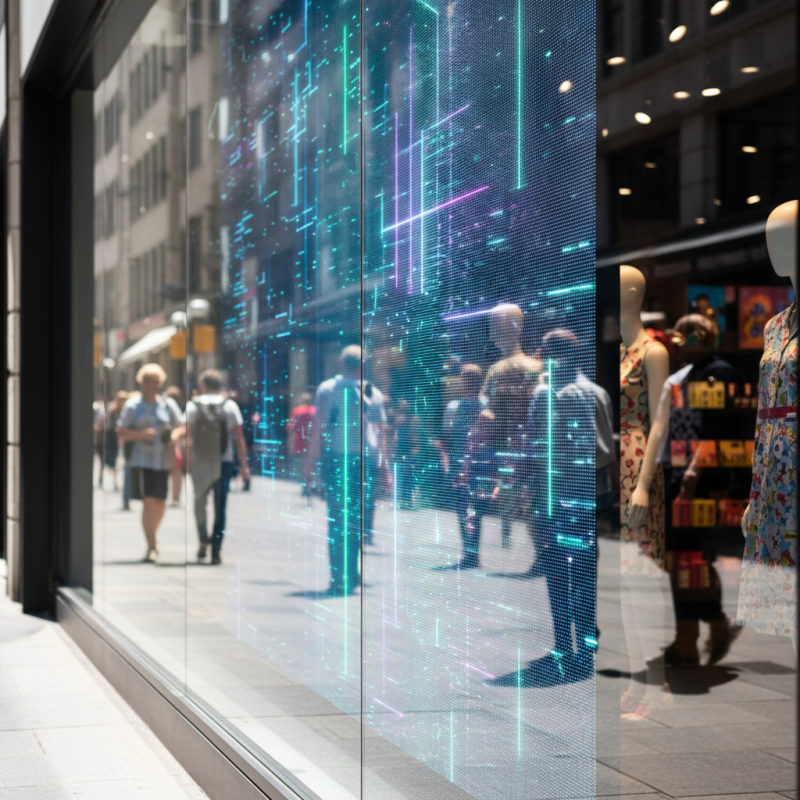
What is Transparent LED Technology and How Does it Work?

What is Transparent LED Technology? An Overview of Its Definition

Transparent LED technology is an innovative advancement in display systems. It allows light to pass through while displaying vivid images. This unique feature makes it ideal for modern architecture and advertising. Imagine a store window that doubles as a dynamic billboard without blocking visibility. This dual functionality is appealing to many businesses.

The technology works by integrating tiny LED lights into transparent substrates. These lights emit images and content while maintaining transparency. When not in use, the glass remains clear. This creates a seamless look in various settings. The installation is often simple, but placement is crucial. Poor positioning can lead to reduced visibility and effectiveness.

Although promising, there are challenges. The contrast ratio is often lower than traditional displays. Additionally, content can sometimes be difficult to see in direct sunlight. These factors demand careful consideration in application. Understanding the limitations can help users maximize the benefits of transparent LED technology.

Key Components and Structure of Transparent LED Displays

Transparent LED displays utilize a combination of advanced technology and innovative design. The key components include LED chips, transparent substrates, and a specialized driver circuit. The LED chips, often made of high-quality semiconductors, emit light and form the visual information on the display. These chips are arranged carefully to allow the maximum light to pass through the substrate, creating a transparent effect when not in use.

The transparent substrate is crucial in achieving the display's see-through quality. Typically made from glass or high-grade plastic, it supports the LEDs while allowing visibility of objects behind the screen. This dual functionality presents unique challenges in terms of brightness and clarity. The driver circuit coordinates the LEDs, ensuring uniform lighting and color accuracy. Proper calibration is essential. Inadequate calibration can lead to uneven brightness or color mismatches, impacting overall display performance.

Additionally, the installation of transparent LED displays requires careful planning. They must be placed in environments where lighting conditions can affect visibility. Users often overlook this aspect. Lighting changes can drastically alter the perceived quality of the display. Addressing these specific challenges and understanding the components can enhance both the effectiveness and aesthetic appeal of transparent LED technology.

What is Transparent LED Technology and How Does it Work? - Key Components and Structure of Transparent LED Displays

Component Description Functionality
Transparent LED Panel A thin, lightweight display composed of clear substrates with embedded LED pixels. Produces images and videos while allowing light to pass through.
Control Module An electronic unit that manages the operation of the LED display. Processes video signals and communicates with the LED panel.
Power Supply Unit Supplies power to the LED display. Converts AC power to the DC voltage required for operation.
Pixel Layout Arrangement of LEDs in a grid format, typically including RGB colors. Determines the resolution and color accuracy of the display.
Protective Coating A transparent layer that shields the LED pixels from environmental damage. Enhances durability and longevity of the display system.

How Transparent LED Technology Works: The Science Behind the Illumination

Transparent LED technology is revolutionizing the way we view displays. It utilizes ultra-thin panels that allow light to pass through. These panels are made of transparent materials that can emit light and show images. Its application can be seen in storefronts or airports, blending visibility with functionality.

The science behind this technology relies on OLEDs (Organic Light Emitting Diodes) or MicroLEDs. These diodes are tiny and consume less energy. When powered, they light up, creating vibrant images while remaining see-through. This allows users to maintain visibility through the display, enhancing the visual experience.

Tips: When considering transparent LEDs, think about placement carefully. A well-placed panel can capture attention without obstructing views. Also, ensure proper lighting to maximize the display’s potential. While impressive, reflect on possible challenges. These panels may require more maintenance than traditional displays, impacting long-term investment.

Applications of Transparent LED Displays in Various Industries

Transparent LED displays are pushing boundaries across various industries, transforming traditional advertising and design. Retail spaces utilize these displays to create eye-catching visuals while allowing natural light to pass through. This enhances customer experience by integrating technology with aesthetic charm. Museums and galleries also deploy transparent LEDs to exhibit information without obstructing art or artifacts. This blend of technology and creativity invites viewers to engage with their surroundings.

In the automotive sector, transparent displays make a significant impact. They provide real-time information while maintaining a sleek aesthetic. Imagine a vehicle dashboard that communicates essential data without obstructing the driver's view. However, there are challenges. The technology's visibility can be affected by ambient light, requiring careful placement and calibration.

In architecture, transparent LEDs contribute to innovative design elements in buildings. They allow for dynamic displays that can adapt to different times of the day, creating a unique architectural statement. Yet, integrating these displays into existing structures could pose technical difficulties, demanding expert knowledge. As industries explore this technology, they must balance creativity with practical implementation.

Market Trends and Future Prospects of Transparent LED Technology

The transparent LED technology market is experiencing significant growth. By 2025, the industry is projected to reach a valuation of over $2 billion, according to a recent report by MarketsandMarkets. This growth is driven by increasing demand for innovative display solutions. Industries such as retail and real estate are particularly interested in transparent LED displays. They offer a combination of high visibility and modern aesthetics.

One key trend is the integration of transparent displays in smart windows. Research shows that transparent LED technology can reduce energy consumption by over 30% in commercial buildings. This sustainable approach appeals to businesses aiming for eco-friendly solutions. Additionally, advancements in technology are enhancing the efficiency of these displays. They now provide better brightness and clarity while consuming less power.

However, challenges remain. The cost of production can be high, which limits widespread adoption. Moreover, there’s a concern about durability and performance in various environmental conditions. As this market evolves, manufacturers must address these issues to enhance reliability. Refining the technology will pave the way for broader use and acceptance in urban landscapes. The future seems promising, yet it requires continuous innovation to overcome these hurdles.

Transparent LED Technology Adoption and Market Growth

This chart illustrates the growth of the transparent LED technology market from 2019 to projected growth in 2025. As shown, the market size is expected to increase significantly over the next few years due to advancements in technology and increasing adoption across various sectors.

FAQS

: What is transparent LED technology?

: Transparent LED technology allows light to pass through while displaying images. It is ideal for modern architecture and advertising.

How does transparent LED technology work?

It integrates tiny LED lights into transparent materials. These lights emit vivid images while keeping the surface clear.

What are the main benefits of using transparent LED displays?

They create dynamic visuals while allowing natural light. This enhances customer experience and aesthetic appeal in various settings.

In which industries are transparent LED displays used?

They are used in retail, museums, automotive, and architecture. Each sector benefits from their unique capabilities.

What challenges do transparent LED displays face?

They often have lower contrast ratios and can be hard to see in bright sunlight. Careful positioning can help.

Can transparent LED displays affect viewer engagement?

Yes, they invite viewers to interact with art or information without blocking visibility. However, placement must be thought out.

How does placement impact the effectiveness of transparent LEDs?

Poor placement can reduce visibility and overall effectiveness. Careful planning is crucial for optimal results and user experience.

Are there technical difficulties in integrating transparent LEDs in buildings?

Yes, integrating them into existing structures can be complex. Expertise is often necessary to ensure proper installation and function.

What is the role of ambient light with transparent LED displays?

Ambient light can affect visibility. Proper calibration is required to enhance overall performance and viewer experience.

What should users consider when using transparent LED technology?

Understanding the limitations is essential. Users must balance creativity with practicality to maximize technology benefits.

Conclusion

Transparent LED technology refers to innovative displays that allow light to pass through while displaying images and videos. This technology utilizes key components such as transparent substrates and LED lamps strategically placed to create a visual effect without obstructing views. The science behind this technology involves advanced optical and electronic systems that enhance luminosity and clarity.

Transparent LED displays are being increasingly adopted across various industries, including retail, advertising, and architecture, due to their aesthetic appeal and functionality. As market trends indicate a growing demand for immersive and visually engaging experiences, the future prospects of transparent LED technology appear promising, paving the way for even more applications and enhancements in design and usability.

Isabella

Isabella

Isabella is a dedicated marketing professional with a sharp focus on driving brand growth and engagement through strategic content creation. With an extensive background in digital marketing, she combines her passion for storytelling with her keen understanding of industry trends to deliver......