As the events industry evolves, the XR LED Stage is making a significant impact. By 2026, these innovative stages will shape performances and experiences like never before. There's much to learn about the upcoming trends in this dynamic field.
XR LED Stages blend advanced technology with creativity, offering new possibilities. This blend allows for stunning visuals and immersive experiences. However, the rapid changes bring both excitement and challenges. Professionals must stay updated to harness these innovations effectively.
Understanding the trends in XR LED Stages is crucial. They can redefine how audiences interact with events. But, it’s essential to consider the implications. How will these advancements influence production costs and technical expertise? Addressing these questions is vital for anyone in the industry.
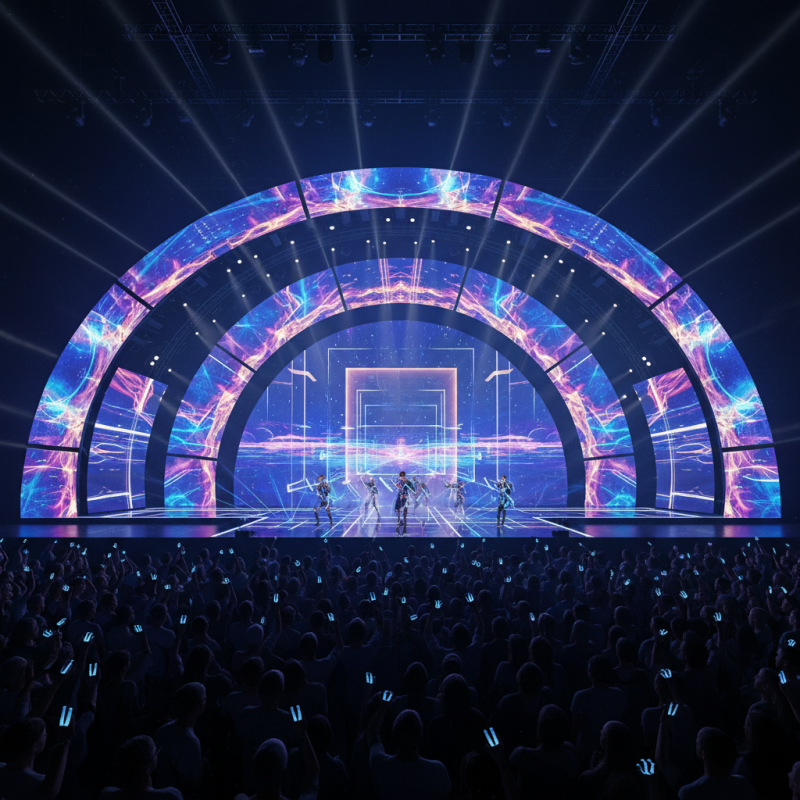
The XR LED stage design landscape for 2026 is set to be transformative. Emerging technologies will play a crucial role in simplifying complex setups. Immersive projections combined with interactive elements will create breathtaking experiences. Artists will have more tools at their disposal. This opens doors to innovative storytelling and design possibilities.
Virtual reality (VR) and augmented reality (AR) will blend seamlessly into live events. A well-executed XR experience demands high-quality visuals and synchronized audio. However, the challenge is maintaining reliability in diverse venues. Designers must evaluate the technical capabilities of different environments. Flexibility will be key in using these technologies effectively.
As collaboration between designers and technologists increases, new ideas will arise. However, this trend also poses questions about accessibility. Ensuring these advanced technologies are inclusive is vital. Balancing creativity with practical constraints will drive design decisions. The goal is to create memorable experiences without overwhelming the audience. As the development progresses, continuous reflection on these aspects will be essential.
| Trend | Description | Impact on Design | Estimated Growth |
|---|---|---|---|
| Interactive Experiences | Integration of real-time user interaction via XR technologies. | Enhances audience engagement and personalization. | 30% increase in user retention. |
| Sustainable Materials | Use of eco-friendly materials in LED stage construction. | Promotes environmentally responsible design practices. | 20% growth in sustainable projects. |
| Advanced Projection Techniques | Utilization of 3D rendering and holographic displays. | Creates immersive and lifelike visual experiences. | 40% increase in visual impact. |
| AI-Driven Design Tools | Incorporation of artificial intelligence in design processes. | Streamlines workflow and enhances creativity. | 25% faster project completion. |
| VR Collaboration Spaces | Virtual reality tools for collaborative design efforts. | Facilitates remote teamwork and creativity. | 50% increase in collaborative projects. |
: Expect to see more organic shapes, like curves and flowing designs. They create immersive experiences and emotional connections.
Color palettes will shift towards pastel and softer hues. These colors aim to evoke serenity and calmness in viewers.
Balancing bold visuals with subtle colors is complicated. Designers must experiment with light for contrast and harmony.
Textures will incorporate both smooth and rough elements. This variety creates tactile, inviting experiences for the audience.
Ensuring that different textures work well together can be complex. It requires careful planning and attention to detail.
Key players use advanced technology for stunning effects. They face challenges like integration and costs, driving innovation.
Collaboration fosters shared knowledge and rapid development. It helps push boundaries for user experiences in live events.
Companies struggle with maintaining quality while expanding production. This highlights the need for refined processes and adaptation.
The future is promising but requires constant creativity and effort. Ongoing challenges must be addressed for successful development.
The landscape of XR LED Stage design is poised for transformation by 2026, driven by emerging technologies that enhance visual experiences and interactivity. Key trends include advanced interactive features that significantly improve audience engagement during live events, allowing spectators to immerse themselves in the performance like never before. Sustainability also takes center stage as production practices evolve, focusing on eco-friendly materials and energy-efficient processes.
Aesthetic trends are likely to evolve, with innovative designs that challenge traditional stage setups, creating visually stunning environments. As this dynamic industry continues to develop, several key players are expected to shape the future of XR LED Stage solutions, promoting creativity and pushing the boundaries of what is possible in live entertainment. Overall, the advancements in XR LED technology promise to create more engaging, sustainable, and visually captivating experiences for audiences worldwide.

 LYRA LED