How to Maintain Large LED Video Walls for Best Performance?

Time:2026-08-09 Author:Henry
0%

Maintaining large LED video walls is crucial for optimal performance. These systems are becoming ubiquitous in venues like stadiums, auditoriums, and conference centers. Regular maintenance ensures they function efficiently and effectively.

To understand how to maintain large LED video walls, consider the environment where they operate. Dust and humidity can significantly impact their performance. It's essential to implement a routine cleaning schedule. This can be as simple as using a microfiber cloth for screens.

Moreover, monitoring the software regularly helps identify any issues before they escalate. Sometimes, unexpected glitches occur. Addressing these promptly can prevent larger problems. Engaging with experienced technicians can enhance lifespan and reliability. Learning from these experiences can lead to better maintenance strategies.
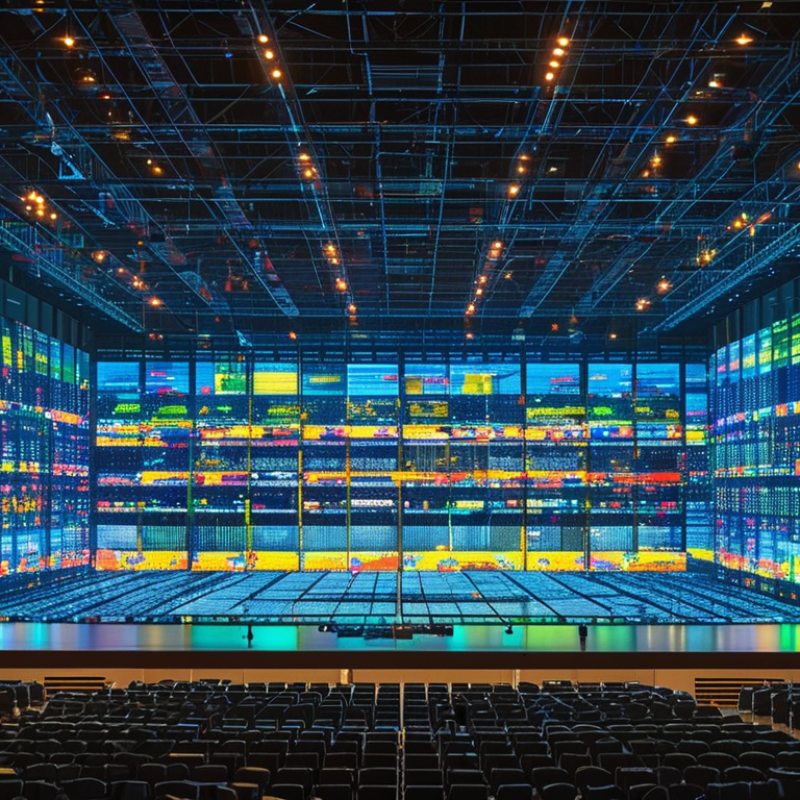
How to Maintain Large LED Video Walls for Best Performance?

Understanding the Components of LED Video Walls for Maintenance

Maintaining large LED video walls requires an understanding of their components. Each element plays a role in overall performance. Components include LED modules, power supplies, and control systems. Regular inspection is essential. According to industry reports, 40% of performance issues stem from power supply failures.

LED modules can suffer from pixel failure. Monitoring these pixels is crucial for optimal display quality. Some studies indicate that up to 10% of pixels may fail over time, especially without proper maintenance. Technicians should implement routine checks to identify any flickering or dead pixels.

Control systems also need attention. A lag in signal transmission can degrade performance. Almost 30% of users report issues related to control settings and configurations. Regular updates are key to reducing downtime. Unexpected glitches can arise, making it clear that consistent monitoring is essential. Effective maintenance ensures longevity and excellent performance of LED video walls.

Regular Cleaning Procedures for Optimal Image Quality and Longevity

Regular cleaning is essential for maintaining large LED video walls. Dirt and dust accumulate quickly, affecting image quality. A consistent cleaning routine enhances performance and prolongs the lifespan of the display.

Start with a soft microfiber cloth to gently wipe the screen. This prevents scratches and removes dust effectively. For stubborn stains, use a mixture of distilled water and isopropyl alcohol. Apply it with a cloth, never directly on the screen.

Tips for effective cleaning:
- Schedule cleanings monthly or biweekly.
- Always turn off the display before cleaning to avoid damage.
- Avoid harsh chemicals; they can cause discoloration.

In addition to cleaning, monitor the environment. High humidity and temperatures can impact performance. Make adjustments as needed. Regular maintenance is an ongoing commitment, but it pays off in clearer images and a longer-lasting display.

How to Maintain Large LED Video Walls for Best Performance?

Cleaning Frequency Cleaning Method Recommended Cleaning Products Maintenance Tips
Weekly Dusting with a microfiber cloth Gentle electronic cleaner solution Turn off the power before cleaning to avoid damage.
Monthly Wiping with slightly damp cloth Distilled water and vinegar solution Use a soft brush for tough spots.
Quarterly Deep cleaning with vacuum Compressed air duster Check for loose connections and cables.
Annually Professional cleaning service Industry-grade screen cleaners Inspect for hardware and software updates.

Monitoring and Managing Temperature and Humidity Levels

Monitoring and managing temperature and humidity levels are essential for the optimal performance of large LED video walls. These video walls generate heat during operation, and if proper ventilation is lacking, it can lead to overheating. Excessive heat may cause components to fail prematurely. Regularly checking temperature levels can help prevent this risk.

Humidity is another critical factor. High humidity can result in condensation, which poses a serious threat. Moisture can damage electronic components. Installing dehumidifiers in the vicinity can effectively manage moisture levels. It’s crucial to maintain an environment where humidity levels remain between 40% and 60%.

Implementing monitoring systems is wise. These systems can provide instant alerts if temperature or humidity levels fluctuate. By keeping an eye on these conditions, one can extend the lifespan of the video wall. However, it’s easy to overlook these checks amid busy schedules. Regular maintenance routines should include these critical evaluations. Neglecting them could lead to costly repairs or downtime.

Identifying and Troubleshooting Common LED Video Wall Issues

Maintaining a large LED video wall can be challenging. Identifying common issues is crucial for optimal performance. One frequent problem is color inconsistency across the screen. This often results from calibration errors. Regularly recalibrating your video wall helps ensure uniform brightness and accurate colors.

Dust and dirt can accumulate on LED panels, leading to decreased visibility. Cleaning the screens with appropriate materials can enhance image quality. It's essential to use non-abrasive cleaners to avoid damaging the surface.

Monitor the connectivity of the video wall. Poor connections can result in flickering or black screens. Check cables and connectors regularly to prevent these issues. Ensure all components are securely attached.

Tips: Regularly inspect your video wall for overheating issues. High temperatures can reduce lifespan. Use cooling fans or air conditioning as needed. Always maintain a clean environment around your setup. Lastly, keep your software updated to address potential bugs and improve performance.

Establishing a Scheduled Maintenance Plan for Continuous Performance

Regular maintenance is essential for large LED video walls to ensure optimal performance. A scheduled maintenance plan can extend the lifespan of the display and enhance image quality. This plan should include routine inspections, cleaning, and software updates. Technicians must check connections and functionality to prevent issues. Dust and debris can accumulate, impacting brightness and clarity. Schedule cleaning every month for best results.

Creating a maintenance log is also crucial. Document inspections, repairs, and software changes. This log helps in identifying recurring problems and patterns. It promotes accountability and enables quick responses to technical issues. Training staff is equally important; they should understand potential problems. However, it can be easy to overlook small issues. Remember, neglecting even minor repairs can lead to larger, costly failures.

Utilizing a checklist can streamline the process but may not cover every angle. Some irregularities might go unnoticed. Regular training sessions and updated checklists can improve efficiency. Seeking feedback from the team can also reveal oversight areas. Implementing these strategies can boost the performance of your LED video wall over time.

FAQS

: Why is regular cleaning important for LED video walls?

: Regular cleaning prevents dirt and dust from affecting image quality and performance. It extends the lifespan of the display.

What is the best way to clean the screen?

Use a soft microfiber cloth for gentle wiping. It helps remove dust without scratching the display.

How can I handle stubborn stains on the screen?

Mix distilled water with isopropyl alcohol. Apply it with a cloth, avoiding direct contact with the screen.

How often should I clean my LED display?

Monthly or biweekly cleaning is recommended. Establishing a consistent routine helps maintain performance.

What should I do before cleaning the video wall?

Always turn off the display before cleaning. This helps avoid any potential damage during the process.

How does temperature impact LED video walls?

Excessive heat can cause component failures. Regularly monitor temperature to prevent overheating issues.

What humidity level is ideal for LED video walls?

Maintain humidity levels between 40% and 60%. High humidity can lead to condensation and damage electronic components.

How can I monitor environmental conditions effectively?

Implement monitoring systems for temperature and humidity. They can alert you to fluctuations in real-time.

What could happen if I neglect regular maintenance?

Neglecting maintenance can lead to costly repairs or downtime. Regular checks are essential for optimal performance.

Are there any cleaning products I should avoid?

Avoid harsh chemicals. They can cause discoloration or damage to the surface of the LED display.

Conclusion

When considering how to maintain large LED video walls, it is essential to first understand their components, which play a vital role in their performance and longevity. Regular cleaning procedures help ensure optimal image quality, while careful monitoring of temperature and humidity levels prevents damage and prolongs the life of the display.

In addition to routine cleaning and environmental management, identifying and troubleshooting common issues can prevent significant downtime. Establishing a scheduled maintenance plan is crucial for continuous performance and reliability. By following these guidelines, users can maximize the lifespan and effectiveness of their LED video walls, ensuring they operate at peak performance for years to come.

Henry

Henry

Henry is a dedicated marketing professional with a profound expertise in the company's offerings. With years of experience in the industry, he possesses an impressive understanding of the market dynamics and consumer behaviors that drive success. Henry is committed to sharing his insights through......