How to Create Dynamic Content for LED Advertising in 2026?

Time:2026-06-10 Author:Madeline
0%

In the evolving landscape of advertising, understanding how to create dynamic content for LED advertising is crucial in 2026. Experts like John Mason, a leading figure in digital marketing, emphasize, “Dynamic content transforms static displays into engaging experiences.” This statement underlines the importance of innovation in visual communication.

Today, businesses must adapt to a visually driven audience. High-quality, captivating content is no longer optional; it's essential. LED displays offer unique opportunities for interaction and creativity. Companies should focus on real-time updates, audience engagement, and localized messaging. Finding the right balance between creativity and clear messaging is vital.

There are challenges in creating this dynamic content. Many advertisers struggle with technology integration and content coherence. Understanding the target audience is also critical. Some companies overcomplicate their messages or neglect proper audience analytics. Therefore, a thoughtful approach is necessary for successful LED advertising.
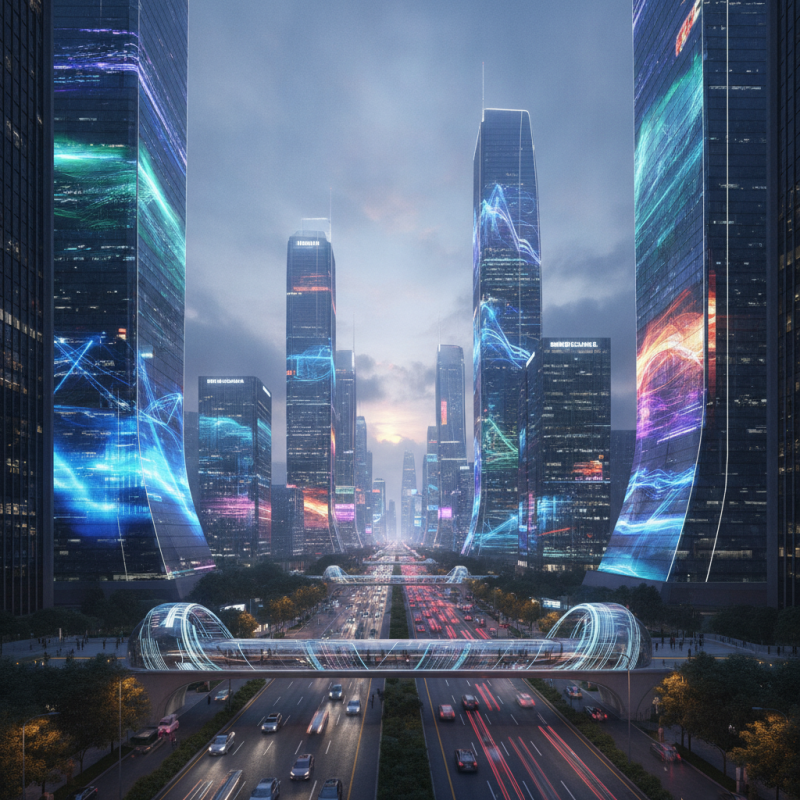
How to Create Dynamic Content for LED Advertising in 2026?

Understanding the Basics of Dynamic Content for LED Advertising

Dynamic content is pivotal in LED advertising today. Creating engaging displays requires not only visuals but also an understanding of audience preferences. Tailoring messages based on real-time data can enhance viewer connection. This approach aligns with current trends in marketing and digital communication.

In 2026, dynamic content for LED ads will evolve. Businesses must focus on interactivity. Simple animations could become outdated. Instead, integrating user-generated content may capture attention more effectively. Audience engagement will become a priority as attention spans shrink. Companies should experiment with various formats to discover what resonates.

The challenge lies in striking a balance between creativity and clarity. Overly complex displays might confuse viewers. Clear, concise messages are essential. Testing different ideas can lead to unexpected insights. Feedback loops are crucial for refining content. Understanding what works and what doesn’t requires constant adjustment. Such flexibility will be key in creating compelling LED advertisements.

Key Technologies Driving Dynamic LED Content Creation in 2026

In 2026, the landscape of LED advertising content is evolving rapidly. Key technologies are transforming how brands engage with their audience. According to a recent report by MarketsandMarkets, the global digital signage market is projected to reach $31.71 billion by 2026, driven by advancements in display technology and content management systems. These statistics underscore the importance of leveraging innovative tools for dynamic content creation.

AI-driven algorithms are pivotal in tailoring content to viewer preferences. This technology analyzes data in real-time, allowing for personalized advertising. A study by Grand View Research reveals that 72% of consumers prefer digital content that caters to their interests. However, the challenge lies in balancing automated personalization with authentic human touch. Many brands struggle to maintain a genuine connection with their audience, risking disengagement.

Moreover, immersive technologies like AR and VR are gaining traction in LED advertising. A report by Statista indicates that AR advertising is anticipated to grow by 70% over the next few years. This presents exciting opportunities but also questions about user experience. Brands must consider if they are enhancing or overwhelming viewers with complex interactions. The fine line between engagement and frustration is critical in creating successful dynamic content.

Best Practices for Designing Engaging LED Advertisements

In 2026, creating dynamic content for LED advertising will require innovative strategies. Effective designs captivate viewers within seconds. Research shows that you have only a few moments to grab attention. According to a recent industry report, 80% of consumers remember dynamic visuals better than static ones. Engaging content will boost retention rates.

Utilizing bold colors and motion can enhance visibility. Data indicates that advertisements featuring motion receive 300% more attention than their still counterparts. Keeping text concise is crucial. Aim for 7 words or fewer on-screen to maintain clarity. Additionally, utilizing local events or timely themes can resonate more deeply with the audience.

Not all content will succeed. Testing different formats and designs helps identify what works best. Metrics such as engagement rates and viewer feedback are essential. Reflecting on failed campaigns allows for growth. Forgetting these elements can lead to disengagement. This is where critical analysis is necessary. Aim to blend creativity with strategy for impactful results.

Measuring Effectiveness: Analyzing Audience Engagement with Dynamic Content

In the evolving landscape of LED advertising, understanding audience engagement is crucial. Effective dynamic content must resonate with viewers in real-time. One way to measure this engagement is through analytics tools that track interactions. Monitoring metrics like view duration and interaction rates will provide insights into what captivates the audience.

Surprisingly, not every campaign succeeds. Some content might fall flat in sparking interest. Testing different content styles can lead to unexpected revelations. A/B testing provides direct feedback, allowing advertisers to refine their messages. Captivating visuals and timely updates can make a difference, but an overly complex approach may confuse viewers.

Engagement is also about creating a dialogue. Encouraging audience feedback can yield valuable information. Brands can adapt their approach based on this feedback. Utilizing polls or social media interactions creates a sense of community. Ultimately, successful dynamic content requires continuous learning and adjustment to meet audience expectations.

Audience Engagement with Dynamic Content in LED Advertising (2026)

Future Trends in LED Advertising: Innovations to Watch in 2026 and Beyond

As we look to 2026, LED advertising is poised for transformative changes. One significant trend is the integration of artificial intelligence. This technology can analyze consumer behavior and tailor content in real-time. Imagine an LED display that adjusts its messaging based on the demographics of its viewers. This personalization could lead to more effective advertising and a deeper connection with audiences.

Sustainability is another key focus. More companies are investing in energy-efficient LED technologies. The future may see solar-powered LED displays lining our streets. This shift aims to reduce environmental impact while maintaining vibrant visuals. However, the implementation could be challenging. Finding reliable sources for these technologies might pose a problem.

Additionally, interactivity is becoming vital. Consumers expect engagement beyond traditional ads. Touch-responsive displays or QR code integration could foster a dynamic exchange between brands and audiences. Yet, the challenge remains in creating seamless user experiences. Poor execution may lead to frustration, detracting from the intended message. Each of these trends has the potential for innovation, but they also require careful consideration and ongoing reassessment.

FAQS

: What is dynamic content in LED advertising?

: Dynamic content involves creating engaging displays that consider audience preferences and real-time data.

Why is audience engagement important for LED ads?

Audience engagement enhances connection and relevance, especially as attention spans continue to shrink.

How will LED advertising change by 2026?

By 2026, businesses will focus on interactivity and might use user-generated content for better engagement.

What role does feedback play in creating effective LED ads?

Feedback loops help refine content, ensuring messages are clear and effective based on viewer reactions.

How can AI improve LED advertising?

AI can analyze consumer behavior and tailor content on LED displays in real-time for better personalization.

What sustainability trends are emerging in LED advertising?

Companies are investing in energy-efficient technologies, including potential solar-powered LED displays to reduce impact.

What challenges come with interactive LED ads?

Creating seamless user experiences is difficult; poor execution might frustrate consumers and diminish messages.

Why is it risky to use overly complex displays?

Complex designs can confuse viewers. Clear and concise messages are essential for effective communication.

How can companies discover effective advertising formats?

Experimenting with different content formats allows companies to understand what resonates with their audience.

What is a potential problem with adopting sustainable technologies?

Finding reliable sources for energy-efficient technologies can pose challenges for companies looking to innovate.

Conclusion

This article explores how to create dynamic content for LED advertising in 2026, emphasizing the foundational concepts that underlie effective dynamic displays. It highlights the key technologies shaping the landscape, such as advanced software solutions and interactive elements that enhance viewer engagement.

Furthermore, it outlines best practices for designing captivating advertisements that capture attention and communicate messages effectively. To assess the impact of dynamic content, the article discusses methods for measuring audience engagement, ensuring that advertisers can refine their strategies. Finally, it delves into future trends in LED advertising, showcasing innovative developments to anticipate in the coming years.

Madeline

Madeline

Madeline is a dedicated marketing professional with a wealth of expertise in our company's core offerings. With a keen understanding of the industry, she brings a unique perspective to her role, consistently delivering high-quality content that highlights the superior aspects of our products. As......