How to Create Dynamic Content for LED Advertising?

Time:2026-10-27 Author:Henry
0%

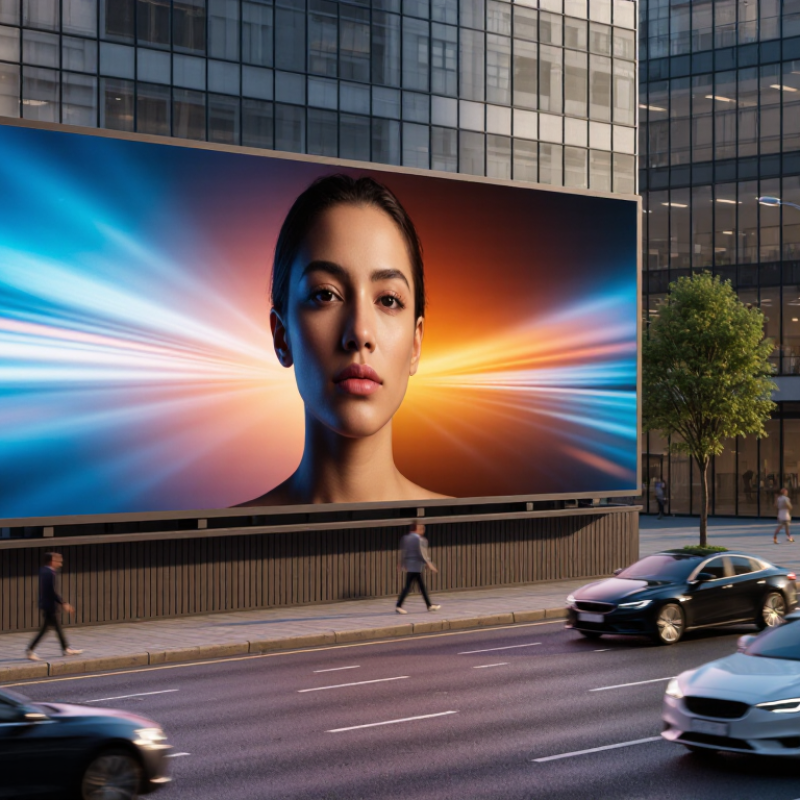
Creating effective LED advertising begins with a clear understanding of movement, distance, brightness, and audience behavior. This guide explores how to create dynamic content for LED advertising in real-world environments, from busy highways to indoor retail entrances. A message that looks attractive on a laptop may disappear under direct sunlight. A five-second animation may feel slow in a crowded station. Content must respond to its surroundings.

Lyle Bunn, a longtime digital signage consultant, has said, “Digital signage is not TV on the wall.” His observation remains useful because LED advertising requires sharper decisions. Strong content uses short phrases, high contrast, readable typography, and purposeful motion. It may show a product close-up, a changing price, a countdown, or a location-based message. Each visual should support one clear action. Too many effects create confusion.

This introduction also considers scheduling, audience timing, screen orientation, accessibility, and responsible communication. Campaigns should be tested from the viewer’s real distance, not only on a design monitor. Performance can be measured through engagement, dwell time, sales patterns, and controlled comparisons. Yet no content plan is perfect. Weather changes. Viewers ignore familiar visuals. Data can be incomplete. That is why practical review matters. The most reliable approach combines creative judgment with measurable testing, regular updates, and respect for local advertising requirements. Dynamic content should feel alive, but never careless.
How to Create Dynamic Content for LED Advertising?

Understanding Dynamic Content in LED Advertising

How to Create Dynamic Content for LED Advertising?

Understanding dynamic content in LED advertising starts with context, not decoration. A static poster delivers one message. Dynamic content can change with time, weather, traffic, audience flow, or local events. The screen becomes responsive. That matters because PQ Media’s Global Out-of-Home Advertising Forecast 2024–2028 reports continued growth in digital out-of-home advertising investment. More screens also mean more competition for attention. Brightness alone is not a strategy.

Effective LED content uses short copy, strong contrast, and readable motion. A breakfast message can appear before 9 a.m. A cooling product can follow a temperature increase. Simple triggers often outperform complicated animations. The Digital Signage Federation recommends designing for viewing distance, timing, and accessibility. In practice, test the message from the sidewalk, not only from the design screen. Three seconds may feel generous. It is not.

Measurement should connect creative changes with real outcomes, such as dwell time, QR visits, store traffic, or sales inquiries. Industry reports often celebrate reach, but reach does not prove understanding. That is where many campaigns become weak. Weather data can be inaccurate. Audience estimates can be incomplete. Keep a manual review process, and record what changed. Dynamic content should remain useful when the data fails. A clear backup message is essential. Mistakes still happen. The goal is controlled improvement, not perfect automation.

Defining Audience Goals and Message Requirements

Dynamic LED content starts with a clear audience goal, not a colorful animation. Before writing, identify who will see the screen, where they are going, and what they need. A commuter near a station may need a fast direction. A shopper outside a market may respond to price, freshness, or time. Keep it specific. In my campaign planning, vague goals produced attractive screens but weak action. One measurable aim works better, such as increasing visits during a quiet 4–6 p.m. period.

Message requirements should match viewing conditions. Record the screen distance, average viewing time, brightness, and nearby distractions. If viewers have three seconds, use one idea, one visual, and a readable call to action. A message like “Fresh meals, ready in ten minutes” gives the audience a concrete reason to stop. Long explanations fail, even when the information is accurate. Use high contrast, generous spacing, and wording that remains clear without sound. Test the assumption. Show the draft to someone unfamiliar with the offer and ask what they remember after five seconds.

Audience research should include practical and ethical checks. Avoid personal claims unless they are supported by current evidence. Do not promise guaranteed results or hide important conditions in tiny text. I have also learned that motion can distract from the message, especially on crowded roads. A calm transition sometimes performs better than constant movement. Review results by audience segment, location, and time, then revise one variable at a time. Some assumptions will be wrong.

How to Create Dynamic Content for LED Advertising?

Defining Audience Goals and Message Requirements

This 100-point planning framework prioritizes audience relevance, readability, contextual timing, and a concise call to action. Dynamic LED messages should use these requirements to match the audience, location, time, and surrounding environment while remaining easy to understand at a glance.

Choosing the Right LED Display and Content Format

How to Create Dynamic Content for LED Advertising?

Choosing the Right LED Display and Content Format

Choosing an LED display begins with viewing distance, not screen size. A roadside board needs a wider pixel pitch than a lobby display. Measure the nearest viewer and the farthest practical viewing point. Brightness must also match the environment. Outdoor screens need strong daylight visibility, while indoor screens often require softer output.

Content format should follow the display’s shape. A tall screen can support vertical videos, product close-ups, and short messages. A wide screen works better for panoramic images, moving text, and simple product demonstrations. Keep essential words large and readable. Test every design from the real audience area. A beautiful layout can fail outdoors.

Dynamic content should change without becoming noisy. Use motion carefully, with one clear idea per scene. Short animations usually perform better than crowded sequences. Match frame rates and file formats with the display controller. Incorrect settings may cause flicker, cropping, or awkward pauses.

I once underestimated glare during a daytime test, and the pale text nearly disappeared. That mistake changed our process.

Plan content around actual conditions. Check sunlight, rain exposure, viewing angles, and nearby distractions. Schedule different brightness levels when possible. Leave enough screen time for people to read the message twice. Human review still matters. Automated templates can save time, but they may create weak spacing or confusing emphasis. Test, adjust, and question what looks acceptable on a laptop.

Creating, Scheduling, and Automating Advertising Content

Dynamic LED advertising works best when content follows a clear production and scheduling process. Start with one campaign goal, such as promoting a weekend sale or guiding visitors toward an entrance. Create bright visuals with large text, strong contrast, and messages readable within three seconds. Keep each frame focused. Too much information disappears from moving traffic.

A practical workflow begins with a content calendar. Record each message, screen location, display time, and expiration date. Use local time zones carefully, especially across different sites. Schedule morning, afternoon, and evening versions when audience behavior changes. A short reminder may suit commuters, while a detailed offer may suit people waiting nearby. Preview every animation on the actual screen, not only on a laptop. Colors and text spacing can look different outdoors.

Automation reduces repetitive work, but it needs limits. Set rules for replacing expired content, rotating approved creatives, and lowering brightness during permitted hours. Add an emergency override for incorrect prices, outdated instructions, or unexpected site conditions. Keep revision histories and approval records for reliable control. I once trusted an automated schedule without checking a holiday exception. The message ran at the wrong time. That mistake showed why human review still matters. Test one screen first. Monitor playback logs, timing accuracy, readability, and audience response before expanding the schedule.

Measuring Performance and Improving Future Campaigns

Dynamic LED content becomes valuable only when performance is measured beyond impressions. PQ Media’s Global Out-of-Home Advertising Forecast 2024–2028 estimated global out-of-home advertising revenue at more than $40 billion in 2023. Digital formats continued growing faster than traditional placements. That growth creates pressure to prove attention, not merely screen time.

Track performance Track reach, frequency, play duration, and audience movement by location and time. Connect these results with QR scans, landing-page visits, store traffic, or offer redemptions. Use unique campaign codes for each screen cluster. Small details matter.

A practical test might show a bright product image at 8:00 a.m. and a short motion sequence at 6:00 p.m. Compare creative recall, dwell time, and conversion signals. The Out of Home Advertising Association of America has reported that OOH reaches roughly 80% of adults weekly, but reach alone cannot explain purchase intent.

Review results every week. Remove weak messages quickly. Keep the strongest visual element. Sometimes, fewer words perform better. I have also seen campaigns overvalue clicks, while ignoring crowded intersections and poor viewing angles. That is a measurement flaw.

Future campaigns should combine sensor data, traffic estimates, controlled geographic tests, and post-campaign surveys. Nielsen’s Annual Marketing Report has repeatedly emphasized the importance of comparable cross-channel measurement. LED teams should therefore document brightness, weather, playback errors, creative version, and audience conditions. Otherwise, a successful result may simply reflect a busy evening.

FAQS

What makes LED advertising content dynamic?

Dynamic content changes with time, weather, traffic, audience flow, or local events. A single poster cannot respond that way.

How much information should one LED frame contain?

Keep each frame focused on one message. Use large text, strong contrast, and short copy. Three seconds is not very long.

How can advertisers match content with audience behavior?

Schedule morning, afternoon, and evening versions. Commuters may need brief reminders. Waiting audiences may accept more detail.

What should a content calendar include?

Record the message, screen location, display time, and expiration date. Check local time zones across different sites. Small scheduling errors can become visible mistakes.

Should automated scheduling replace human review?

No. Automation can rotate approved content and remove expired messages. Human review should check holidays, prices, instructions, and site conditions. Automation is helpful, not flawless.

How should dynamic LED content be tested?

Preview animations on the actual screen, not only on a laptop. Check readability from the sidewalk. Outdoor colors and spacing may look different.

What should happen when data or triggers fail?

Use a clear backup message that remains useful without live data. Review weather accuracy and audience estimates manually. Systems fail sometimes.

Which results should a campaign measure?

Track reach, play duration, audience movement, QR visits, store traffic, and inquiries. Compare results by location and time. Reach alone does not prove understanding.

How can future campaigns improve?

Test different visuals and time periods on one screen first. Record brightness, weather, playback errors, creative versions, and audience conditions. Keep the strongest visual element. Sometimes, fewer words work better.

Conclusion

Dynamic LED advertising turns a standard display into a flexible communication tool that can respond to changing audiences, locations, schedules, and business goals. To understand how to create dynamic content for LED advertising, begin by defining who should see the message, what action or response is expected, and which information needs to change over time. Clear goals help determine whether the content should focus on promotions, announcements, education, entertainment, or timely updates.

Next, select an LED display and content format that match the viewing distance, environment, screen size, and message complexity. Create concise visuals with readable text, strong contrast, and movement used carefully to maintain attention. Scheduling and automation can deliver different messages according to time, date, audience conditions, or campaign stages. Finally, measure performance through engagement indicators, viewing patterns, inquiries, or conversions. Use these results to refine timing, design, wording, and content frequency, creating more relevant and effective campaigns over time.

Henry

Henry

Henry is a dedicated marketing professional with a profound expertise in the company's offerings. With years of experience in the industry, he possesses an impressive understanding of the market dynamics and consumer behaviors that drive success. Henry is committed to sharing his insights through......