Choosing the right display can shape the entire concert experience. The wrong rental screen can create dim visuals, delayed playback, or distracting scan lines. That is why event teams often ask, “why choose rental LED screens for concerts” before planning production details.
Live-event video engineer David McGowan describes the priority clearly: “A reliable screen should support the performance, not compete with it.” This principle matters when audiences stand far from the stage. Rental LED screens offer flexible sizes, strong brightness, and quick installation. They can also adapt to touring schedules, changing venues, and different stage designs.
Pixel pitch deserves careful attention. A 2.6-millimeter screen can look crisp near the front rows. A larger pitch may work better for distant viewing and controlled budgets. Refresh rate also matters, especially when cameras capture fast movement. Low-quality panels may show visible flicker. That mistake is easy to miss during setup.
Brightness should match the environment. Outdoor concerts need stronger output and weather-aware protection. Indoor venues may require less brightness to prevent eye strain. Ask about spare modules, signal backups, rigging limits, and on-site technicians. Small details matter.
No rental choice is perfect. Budget pressure can encourage compromises. That can become expensive later. A dependable supplier should provide test footage, clear specifications, safety documentation, and a realistic replacement plan. This guide explains how to compare rental LED screens, avoid common production problems, and select a system that keeps the audience focused on the music.
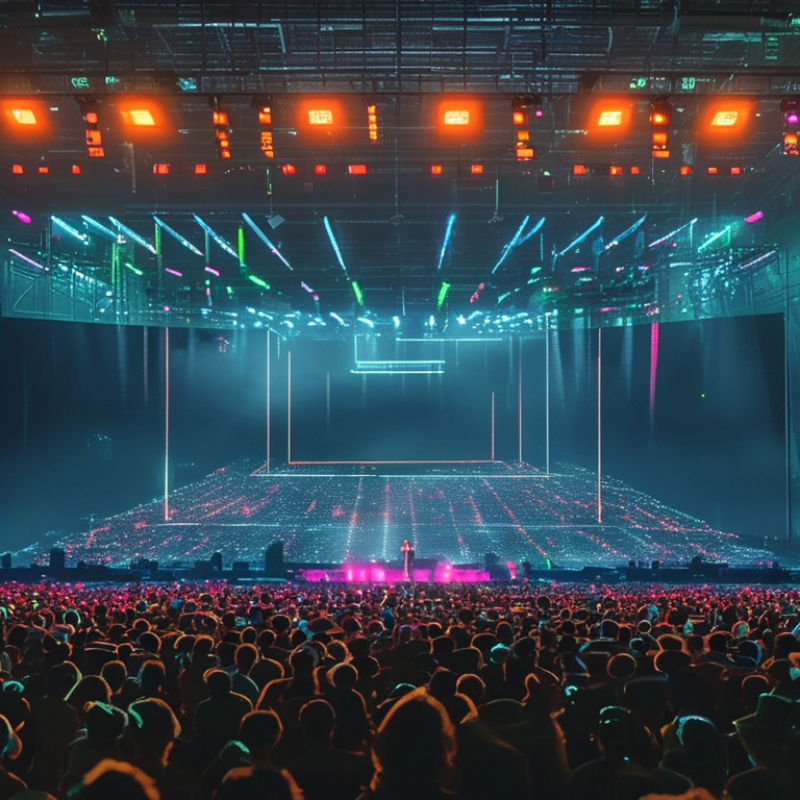
Choosing a rental LED screen for a concert starts with a clear definition of the event’s needs. Identify the venue, audience size, viewing distance, stage dimensions, and performance schedule. A screen for a small indoor hall has different requirements from one facing 30,000 outdoor spectators. Measure carefully.
Define the screen’s main objective. Is it showing live camera feeds, close-up performances, graphics, lyrics, or sponsor messages? Live video usually requires a fine pixel pitch, high refresh rate, and stable color performance. Outdoor events may need high brightness, weather protection, and reliable visibility under changing daylight. Audience distance matters more than screen size alone. A large screen with unsuitable pixel pitch can still look unclear.
Build the technical plan around real production conditions. Check camera output, processor compatibility, power access, signal cable lengths, rigging limits, and backup equipment. Ask the rental provider for brightness data, refresh-rate specifications, cabinet dimensions, and maintenance procedures. Do not accept vague promises. During a previous event, I focused too much on screen size and underestimated sightline issues near the mixing area. The image was sharp, but part of the audience saw an obstructed corner. That mistake changed my planning process. Leave space for structural limits, emergency access, and unexpected weather. Test the full content workflow before show day, not only the screen itself.
Concert LED rental starts with screen type, not cabinet size. Indoor stages usually favor fine-pitch SMD panels, while outdoor concerts need weather-resistant rental panels. SMD supports strong viewing angles and detailed close-ups. COB offers better surface protection, but repairs can be more specialized. Choose wisely. AVIXA’s 2024 Industry Outlook forecasts global professional AV revenue above 325 billion dollars by 2028, reflecting continued demand for dependable event systems.
Pixel pitch controls the acceptable viewing distance. A 1.5–2.6 mm pitch suits front-row indoor audiences and camera shots. A 3.9–6 mm pitch often works for larger outdoor venues. A 2.6 mm wall can still look soft when viewers stand very close. Distance decides. Calculate the nearest audience position before accepting a supplier’s recommendation.
Image quality also depends on refresh rate, grayscale, calibration, and processing. For concert filming, request at least 3,840 Hz refresh rate and stable low-gray performance. Higher brightness is not automatically better; excessive output can flatten skin tones and tire the audience. TrendForce’s 2024 LED display analysis identifies fine-pitch products and rental applications as important market growth areas. Ask for a live camera test, not only a specification sheet.
I have found that uneven cabinet calibration appears most clearly during slow, dark transitions. That detail is easy to miss during a bright rehearsal.
How to Choose Rental LED Screens for Concerts?
Screen size should match the venue, audience layout, and viewing distance. A large screen is not always better. I once selected a wide display that looked impressive near the stage, but distant viewers still struggled with facial details. Pixel pitch matters as much as physical dimensions. For an audience standing 60 meters away, choose a finer pitch and test sample footage from the farthest viewing area. Check sightlines, too. Lighting towers, speakers, and camera platforms can block parts of the image.
Brightness must suit the environment. Outdoor daytime concerts often require around 5,000 to 7,000 nits, while indoor venues usually need less. Excessive brightness can wash out colors and distract performers. My first outdoor setup was brighter than necessary, and the front rows complained about eye strain. Weather resistance also deserves careful inspection. Look for documented protection ratings, sealed connectors, drainage design, and stable cabinet locks. An IP65-rated front surface can help, but the complete system still needs proper installation and maintenance.
Tips: Visit the venue at the event time before choosing equipment. Measure the farthest audience position. Ask the rental team for brightness tests, pixel-pitch samples, and weather procedures. Confirm whether spare modules and waterproof covers are available. Do not trust a rating alone; poorly sealed cable connections can still fail during sudden rain. A short rehearsal with real concert footage often reveals problems that technical specifications miss.
A rental LED screen should fit the venue, audience distance, camera plan, and weather conditions. Grand View Research’s 2024 analysis estimates the global LED display market will grow at about 11% annually through 2030. That growth brings more choices, but not every cabinet suits live concerts. Request recent brightness readings, pixel-pitch details, refresh-rate specifications, and test videos from the rental company. Check each cabinet for damaged connectors, uneven modules, loose frames, and water protection. Test it live.
Installation quality directly affects image stability and public safety. Ask for a written method statement, rigging plan, load calculations, and trained technicians. The Event Safety Alliance recommends documented risk assessments, competent supervision, and clear emergency procedures for event production. Confirm cable ramps, protected power distribution, grounding, wind limits, and backup signal paths. Outdoor screens need suitable IP protection, but an IP rating does not replace weather monitoring. Do not guess.
Technical support should remain available during rehearsals and the full performance. A useful agreement states response times, spare-panel quantities, replacement procedures, and who controls brightness or content changes. Freeman’s 2024 event trends research reported that 59% of event professionals planned to increase event investment, making equipment reliability more important as productions become larger. I have seen teams focus too heavily on rental price. That is a mistake. A cheaper screen may require more calibration, slower repairs, or an extra technician. Ask for a site survey, a rehearsal test, and a named on-site contact. Insist on evidence, not promises.
How to Choose Rental LED Screens for Concerts?
Concert LED screen pricing depends on pixel pitch, screen size, brightness, rigging, transport, labor, and show duration. Do not compare only the daily screen rate. A low quote may exclude overnight security, weather protection, signal processing, or installation hours. Grand View Research estimated the global LED display market at about US$7.3 billion in 2023, showing strong demand but also wider equipment quality differences. Ask for a written rental scope, cancellation terms, overtime charges, damage liability, and replacement responsibilities.
Testing should happen before the audience enters. Inspect every cabinet for dead pixels, loose power connectors, damaged frames, and uneven color. Test brightness under daylight, camera refresh performance, input switching, and emergency signal paths. Request a full-size rehearsal when possible. A common mistake is testing only the center screen. Side screens can reveal mismatched calibration. Require spare modules, power supplies, receiving cards, cables, and at least one backup processor. An onsite technician is valuable during weather changes and repeated signal transitions.
Tips: Keep ten to fifteen percent spare modules for large outdoor walls. Confirm the backup screen’s storage location and response time. Read the technical rider carefully. Ask who approves substitutions. Record test results with photographs and signed checklists. These details feel excessive until a single dark cabinet affects a close-up shot. Even experienced teams sometimes underestimate setup time. Leave a practical buffer.
Planning benchmarks for common rental LED configurations. Compare estimated daily rental cost, recommended viewing distance, pre-show testing time, and backup module allocation before confirming a concert screen package.
Smaller pixel pitches provide sharper images at close viewing distances but generally cost more. Confirm the rental period, delivery and installation terms, full-panel testing procedures, spare modules, receiving cards, power supplies, and an on-site replacement plan in the contract.
: Fine-pitch SMD panels suit close indoor audiences and detailed camera shots. They provide wide viewing angles. COB panels offer stronger surface protection, but repairs may require specialized technicians.
Match pixel pitch to the nearest audience position. A 1.5–2.6 mm pitch suits close indoor viewing. A 3.9–6 mm pitch often suits larger outdoor venues. Distance decides.
Yes, if viewers stand very close. A smaller pitch usually improves nearby detail. Test sample footage from the front row and camera positions.
Request at least a 3,840 Hz refresh rate and stable low-gray performance. Check grayscale, calibration, and processing quality. Test it live.
No. Outdoor daytime concerts often need about 5,000–7,000 nits. Indoor venues usually need less. Excessive brightness can flatten skin tones and cause eye strain.
Screen size should match audience layout, venue shape, and viewing distance. A huge screen may still show weak facial detail. Check sightlines around speakers, lighting towers, and camera platforms.
Check documented protection ratings, sealed connectors, drainage paths, and secure cabinet locks. An IP65 front surface helps, but it does not guarantee complete system protection. Weather changes everything.
Visit the venue during the event time. Measure the farthest audience position. Request brightness tests and pixel-pitch samples. Use real concert footage during rehearsal. Bright rehearsals can hide uneven calibration. I once trusted specifications too much. That was a mistake.
Choosing the right display begins with defining the concert’s goals, venue layout, audience size, content style, and production needs. Understanding why choose rental LED screens for concerts helps organizers balance visual impact with flexibility and cost control. Compare indoor and outdoor screen types, pixel pitch, resolution, color performance, and image quality to ensure content remains clear from different viewing distances.
Next, evaluate screen size, brightness, viewing angles, refresh performance, and weather resistance according to the venue and schedule. A reliable rental provider should offer well-maintained equipment, professional installation, secure structural support, safety procedures, and responsive technical assistance. Before signing, review pricing, rental duration, delivery responsibilities, testing procedures, cancellation terms, and possible additional fees. It is also wise to confirm pre-event testing, on-site troubleshooting, spare modules, and backup equipment. A careful selection process ensures stable operation, strong audience engagement, and a smooth concert experience from setup through teardown.

LYRA LED